
Kilimanjaro Lemosho Route
Map, Cost, Itineraries And Climbing Guide
The Kilimanjaro Lemosho Route is widely regarded as one of the best ways to climb Mount Kilimanjaro, combining breathtaking scenery, excellent acclimatization, and one of the highest summit success rates on the mountain. Starting on the remote western side of Kilimanjaro at Londorossi Gate, the route passes through lush rainforest, the spectacular Shira Plateau, alpine desert, and the glacier-covered summit zone near Uhuru Peak.
One of the biggest advantages of the Lemosho Route is its gradual ascent profile, which gives climbers more time to adapt to the altitude and significantly improves the chances of reaching the summit. Available as 6, 7, and 8-day itineraries, the route is suitable for both first-time climbers and experienced trekkers seeking a rewarding Kilimanjaro adventure.
Known for its diverse landscapes, quieter trails during the first days, and outstanding acclimatization opportunities, the Lemosho Route offers an unforgettable journey to the highest point in Africa and is often considered the most scenic route on Mount Kilimanjaro.
Lemosho Route Overview
| Feature | Details |
|---|---|
|
Route Length |
6, 7 or 8 Days |
|
Difficulty |
Moderate to Challenging |
|
Summit Success Rate |
High to Very High (7 & 8 Days) |
|
Starting Point |
Londorossi Gate (Western Kilimanjaro) |
|
Accommodation |
Camping |
|
Highest Point |
Uhuru Peak – 5,895 m (19,341 ft) |
|
Best For |
First-Time Climbers, Nature Lovers & Photographers |
|
Route Side |
Western Side of Mount Kilimanjaro |
|
Descent Route |
|
|
Scenery |
Excellent – Rainforest, Shira Plateau, Lava Tower, Barranco Wall, Alpine Desert |
|
Crowds |
Low at the Start, Moderate Late |
|
Summit Night |
Barafu Camp to Uhuru Peak |
|
Recommended Itinerary |
Is the Lemosho Route the Best Route on Kilimanjaro?
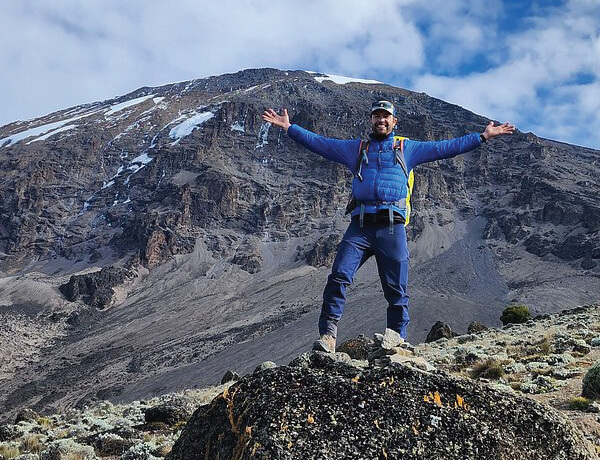
The Lemosho Route is widely regarded as one of the best routes for climbing Mount Kilimanjaro. Starting on the remote western side of the mountain at Londorossi Gate, the route offers a perfect combination of breathtaking scenery, excellent acclimatization, and a high summit success rate. For many climbers, it provides the ideal balance between adventure, comfort, and the opportunity to reach Uhuru Peak successfully.
One of the biggest advantages of the Lemosho Route is its gradual ascent profile. Unlike shorter routes, Lemosho allows climbers more time to adjust to the altitude, significantly reducing the risk of altitude sickness and increasing the chances of reaching the summit. The 7-day and 8-day Lemosho itineraries are particularly popular because they provide additional acclimatization time while maintaining a comfortable trekking pace.
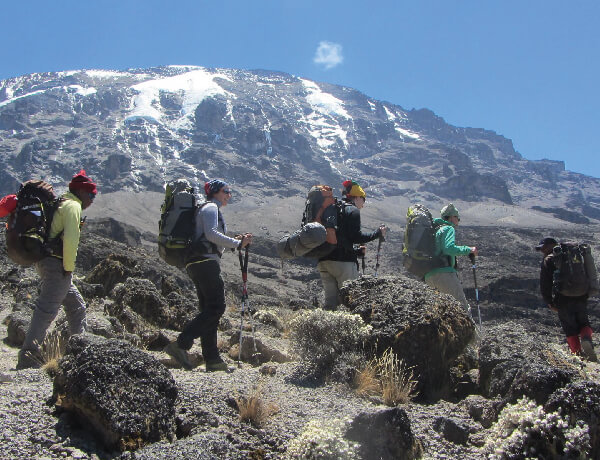
The scenery along the Lemosho Route is among the most diverse on Mount Kilimanjaro. Climbers begin their journey through lush rainforest inhabited by colobus monkeys and a variety of bird species before crossing the spectacular Shira Plateau. The route then continues through moorland, alpine desert, and rugged mountain landscapes, passing famous landmarks such as Lava Tower, Barranco Wall, Karanga Valley, and Barafu Camp before the final ascent to Uhuru Peak.
Another reason many climbers choose the Lemosho Route is the quieter start. During the first days on the mountain, trekkers enjoy a more peaceful experience compared to some of the busier routes. This creates a stronger connection with nature and allows climbers to appreciate the beauty of Kilimanjaro’s western slopes before joining the southern circuit.
The Lemosho Route is recommended for both first-time climbers and experienced trekkers. Its combination of excellent acclimatization, stunning scenery, and high summit success rates makes it one of the most rewarding ways to climb Africa’s highest mountain. Whether you choose the 6-day, 7-day, or 8-day itinerary, the Lemosho Route offers an unforgettable journey to the Roof of Africa.
How Much Does the Lemosho Route Cost?
The cost of climbing the kilimanjaro Lemosho Route depends on the itinerary length, group size, and the level of service provided. In general, longer itineraries such as the 7 Days and 8 Days Lemosho Route offer better acclimatization and higher summit success rates, which can influence the overall price.
For climbers looking for a more affordable option, joining one of our scheduled group departures can significantly reduce the cost compared to a private climb while still providing the same professional guides, quality equipment, and support on the mountain. Private climbs offer greater flexibility and a personalized experience, making them ideal for families, friends, and private groups.
| Price for 8 Days | Price for 7 Days | Price for 6 Days |
|---|---|---|
|
1 Person: $2,490 |
1 Person: $2,212 |
1 Person: $2,069 |
|
2 people: $2,155 per person |
2 people: $ 1,985 per person |
2 people: $1,780 per person |
|
3 people: $2,000 per person |
3 people: $1,885 per person |
3 people: $1,700 per person |
|
4 people: $1,975 per person |
4 people: $1,800 per person |
4 people: $1,640 per person |
|
5 people: $1,920 per person |
5 people: $1,770 per person |
5 people: $1,590 per person |
|
6 people: $1,890 per person |
6 people: $1,745 per person |
6 people: $1,570 per person |
|
7+ people: $1,835 per person |
7+ people: $1,730 per person |
7+ people: $1,560 per person |
Lemosho Route Itineraries
8 DAYS LEMOSHO ROUTE
- West Kilimanjaro
The most recommended Lemosho itinerary, offering excellent acclimatization, breathtaking scenery, and one of the highest summit success rates on Mount Kilimanjaro.
7 DAYS LEMOSHO ROUTE
- West Kilimanjaro
The 7 Days Lemosho Route provides excellent acclimatization, breathtaking scenery, and a high chance of reaching Uhuru Peak, making it one of the best route to the top of Kilimanjaro
6 DAYS LEMOSHO ROUTE
- West Kilimanjaro
Short on time? The 6 Days Lemosho Route combines breathtaking scenery, remote wilderness, and the challenge of reaching Africa’s highest summit in a shorter itinerary.
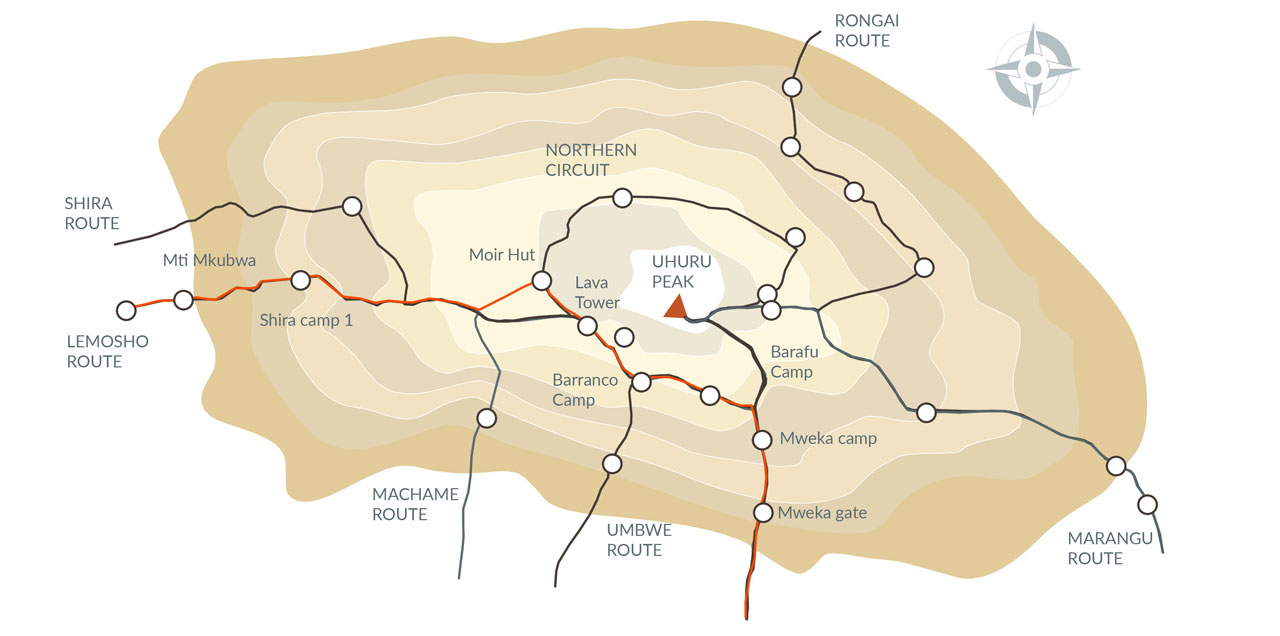
Lemosho Route Map
Landscapes and Scenery on the Lemosho Route
The Lemosho Route is famous for its diverse and dramatic landscapes. Trekkers experience several ecological zones while climbing the mountain, making the journey both visually stunning and varied.
The trek begins in the lush rainforest of Mount Kilimanjaro, where climbers may encounter monkeys, colorful birds, and dense vegetation. As the route climbs higher, the landscape changes into heath and moorland with giant lobelias and unique alpine plants.
Crossing the wide Shira Plateau offers spectacular views of Kilimanjaro’s volcanic formations and distant Mount Meru. Higher on the mountain, trekkers enter the alpine desert zone before reaching the glacial summit area near Uhuru Peak.
This progression of environments makes the Lemosho Route one of the most scenic routes on Mount Kilimanjaro.
How Difficult Is the Lemosho Route?
The Lemosho Route is considered a moderate to challenging trek, mainly due to the high altitude rather than technical climbing difficulty. The route does not require mountaineering experience or specialized climbing skills.
Most trekkers with good physical preparation and determination can successfully complete the climb. The gradual ascent and additional acclimatization days make the Lemosho Route easier to adapt to altitude compared to some shorter routes.
Climbers should expect daily hiking distances of approximately 5 to 8 hours, with longer trekking on summit night. Proper preparation, slow pacing, and good hydration are essential for a successful climb.
Lemosho Route Summit Success Rate
The Lemosho Route has one of the highest summit success rates on Mount Kilimanjaro due to its gradual ascent and excellent acclimatization profile.
Success rates vary depending on the itinerary length:
6-day itinerary: approximately 60–70% success rate
7-day itinerary: approximately 75–85% success rate
8-day itinerary: approximately 85–90% success rate
The longer itineraries allow climbers more time to adjust to the altitude, greatly improving the chances of reaching Uhuru Peak (5895m).
For this reason, many guides recommend the 7-day or 8-day Lemosho Route for the best summit success.
Pros and Cons of the Lemosho Route
Pros
• One of the most scenic routes on Mount Kilimanjaro
• Excellent acclimatization profile
• High summit success rate
• Quieter start compared to other routes
• Diverse landscapes from rainforest to alpine desert
Cons
• Longer route means slightly higher cost
• Requires more trekking days than some routes
• Camps can become busy after joining the Machame Route
How to Prepare for the Lemosho Route
Climbing Mount Kilimanjaro via the Lemosho Route requires good physical preparation and proper planning. While the climb does not require technical climbing skills, the high altitude and long trekking days require endurance and determination.
Preparing for the trek should include:
• Regular hiking or walking to build stamina
• Cardiovascular exercise such as running, cycling, or swimming
• Strength training for legs and core muscles
• Practice hikes with a backpack
Trekkers should also prepare for changing weather conditions on the mountain, as temperatures can vary from warm rainforest conditions to freezing temperatures near the summit.
Proper equipment, good acclimatization, and experienced guides all play an important role in reaching the summit successfully. Before starting your climb, it is important to prepare the right gear. Our detailed Kilimanjaro Packing List will help you understand exactly what to bring for a safe and comfortable trek.
Starting Point and Route Experience
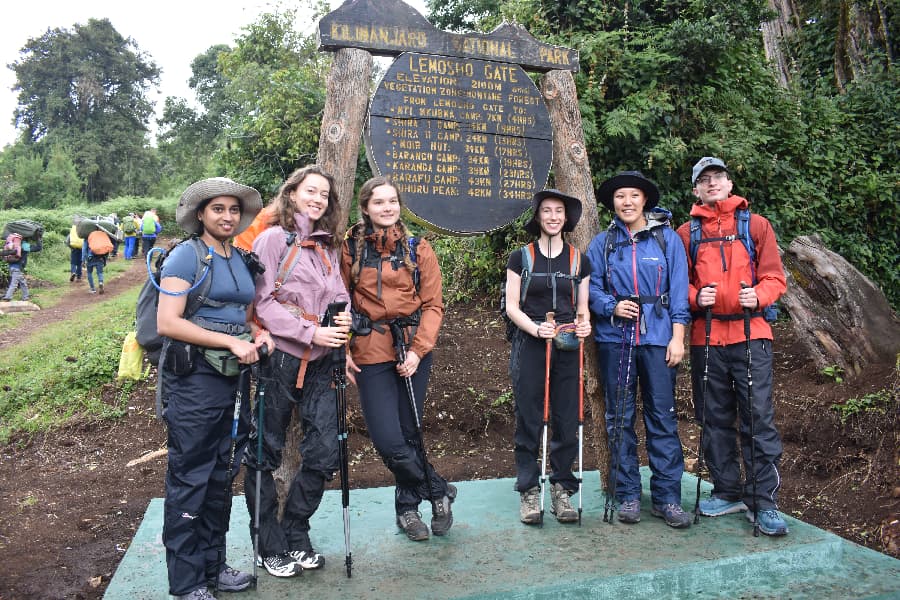
The Lemosho Route begins at Lemosho Gate, located on the western side of Mount Kilimanjaro.
The first stage of the trek passes through dense rainforest where climbers may see monkeys, birds, and other wildlife.
As the trail climbs higher, the landscape changes into heath and moorland before reaching the wide Shira Plateau, one of the most spectacular areas on the mountain.
From here, trekkers enjoy breathtaking views of Shira Cathedral, Mount Meru in the distance, and the dramatic volcanic landscapes of Kilimanjaro.
The route then continues along the southern circuit, passing Lava Tower, Barranco Valley, and Barafu Camp before the summit attempt at Uhuru Peak, the highest point in Africa.
The descent from the Lemosho Route is usually made via the Mweka Route.
Lemosho Route vs Machame Route
The Lemosho Route and Machame Route are two of the most popular ways to climb Mount Kilimanjaro, and both offer excellent summit success rates, spectacular scenery and well-established trekking trails. While they share part of the route after Shira Plateau, each provides a different experience.
The Lemosho Route Kilimanjaro begins on the quieter western side of the mountain at Londorossi Gate. It follows a longer approach through pristine rainforest before crossing the beautiful Shira Plateau, giving climbers more time to acclimatize. Because of its gradual ascent and extra acclimatization opportunities, Lemosho is widely regarded as one of the best routes for first-time climbers and those looking to maximize their chances of reaching Uhuru Peak.
The Machame Route, often called the “Whiskey Route,” starts from the southern side at Machame Gate. It is slightly shorter and busier than Lemosho but is famous for its dramatic scenery, including Lava Tower, the Barranco Wall and the Southern Icefields. Machame also follows the “walk high, sleep low” principle, providing excellent acclimatization, especially on the 7-day itinerary.
For climbers who prefer quieter trails, a longer trekking experience and the highest possible summit success, the Lemosho Route is generally the better choice. Those looking for a slightly shorter adventure with equally impressive scenery often choose the Machame Route.
Although both routes join together after Shira Plateau and share the same summit approach via Barafu Camp, their early stages provide very different trekking experiences. Whichever route you choose, climbing with experienced local guides and allowing enough time for acclimatization are the keys to a successful summit.
Lemosho Route vs Machame Route Comparison
| Feature | Lemosho Route | Machame Route |
|---|---|---|
|
Starting Point |
Londorossi Gate (Western side) |
Machame Gate (Southern side) |
|
Recommended Duration
|
7–8 days
|
6–7 days |
|
Difficulty
|
Moderate
|
Moderate to Challenging |
|
Acclimatization
|
Excellent
|
Excellent |
|
Scenery
|
Outstanding
|
Outstanding |
|
Trail Traffic
|
Less crowded at the beginning
|
More popular and busier |
|
Accommodation
|
Camping
|
Camping |
|
Best For
|
First-time climbers, photographers, longer treks
|
Adventurous climbers looking for a shorter itinerary |
|
Summit Success
|
Very High (especially 8 days)
|
High (especially 7 days) |
Lemosho Route vs Shira Route
The Lemosho Route shares part of its path with the older Shira Route after the first few days of trekking.
However, there is an important difference between the two routes.
The Shira Route begins at a much higher altitude, which means climbers start the trek already high on the mountain.
In contrast, the Lemosho Route begins at Londorossi Gate at a lower elevation, allowing climbers to acclimatize more gradually.
Starting at a lower altitude makes the Lemosho Route safer and more comfortable for most trekkers, reducing the risk of altitude sickness during the early stages of the climb.
After the initial days, both routes merge and continue across the Shira Plateau before joining the Machame Route on the southern circuit.
While the route can be completed in 7 days, adding an extra day greatly improves acclimatization and increases the chances of successfully reaching Uhuru Peak.
Professional Guides on the Lemosho Route
At Materuni Tours, we combine professional mountain guiding with warm local hospitality.
Our experienced team has guided many climbers safely to the summit of Mount Kilimanjaro via the Lemosho Route. Every trek is led by certified English-speaking guides who understand the route, weather conditions, and the importance of proper acclimatization.
Safety, comfort, and personal service are at the heart of every climb we organize.
What you can expect on every Lemosho trek:
• Certified local guides with strong experience on Mount Kilimanjaro
• Daily health checks to monitor acclimatization
• Quality camping equipment and well-prepared meals
• Respectful treatment of porters and mountain crew
• Friendly support before and after the trek in Moshi
• Local knowledge and connection to the Materuni community
Climb the Lemosho Route with a Local Kilimanjaro Team in Moshi
All Lemosho Route climbs with Materuni Tours begin in Moshi, the main base town for Mount Kilimanjaro and the starting point for most trekking adventures.
Being based in Moshi gives us a strong advantage our team has direct access to the mountain, deep local knowledge of Kilimanjaro National Park, and years of hands-on experience guiding climbers to the summit via the Lemosho Route.
Before your climb, you will have time to relax, prepare, and meet your guides in Moshi. This preparation day includes a full climb briefing, equipment check, and the opportunity to explore the surrounding area at the foot of the mountain.
Our close connection to the local community, including Materuni village, allows us to provide an authentic Tanzanian experience while ensuring high standards of safety, service, and professionalism throughout your trek.
You can also explore additional activities, preparation tips, and local experiences on our Moshi Kilimanjaro Tours page, which highlights what to do before or after your climb.
- Machame Route
- Marangu Route
- Rongai Route
- Northern Circuit
- Umbwe Route