Climbing Mount Kilimanjaro
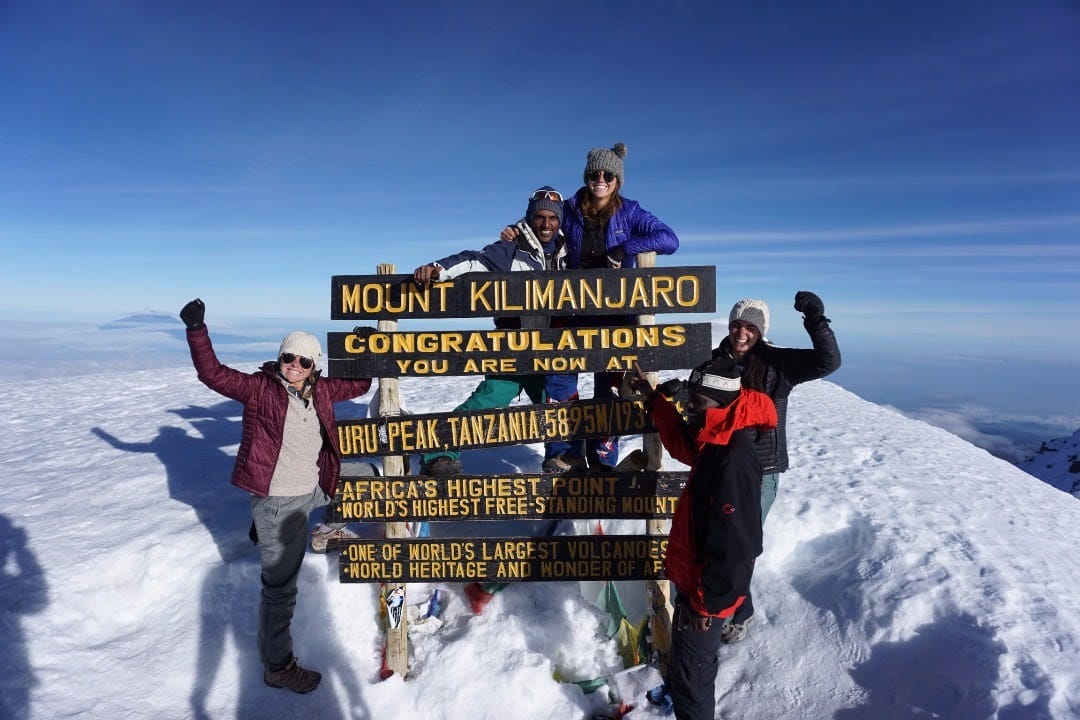
Mount Kilimanjaro is the highest mountain in Africa, rising to 5,895 meters (19,341 feet) above sea level. Located in Kilimanjaro National Park in northern Tanzania, it is the world’s tallest free-standing mountain and one of the most iconic trekking destinations on Earth. Every year, thousands of adventurers travel from around the world to experience the challenge of climbing Mount Kilimanjaro and standing on the famous Uhuru Peak, known as the “Roof of Africa.”
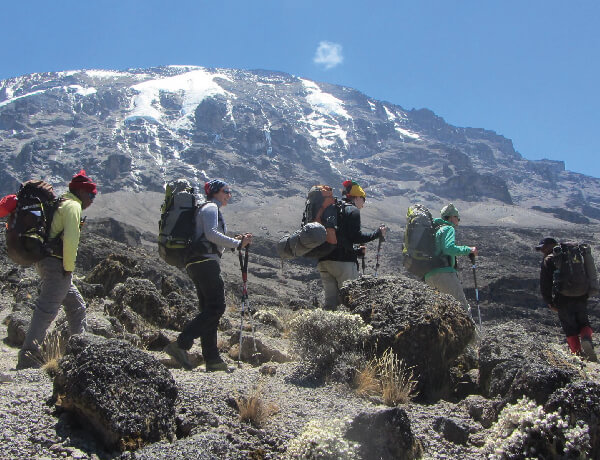
One of the unique features of Mount Kilimanjaro is its incredible variety of landscapes. During the climb, you’ll pass through lush rainforest, scenic heath and moorland, alpine desert, and finally the glacier-covered summit. Although reaching the top is physically demanding, Kilimanjaro is a non-technical mountain, meaning no climbing experience is required. With the right preparation, a suitable route, and enough time for acclimatization, climbers of all experience levels have an excellent chance of reaching the summit.
Choosing the best time to climb Kilimanjaro, following a well-planned itinerary, and trekking with experienced local guides can significantly improve your chances of success. At Materuni Tours, we offer carefully designed Kilimanjaro climbs with professional guides, quality equipment, and personalized support to help you enjoy a safe and unforgettable journey to the highest point in Africa.
Compare Mount Kilimanjaro Routes
Choosing the right route is one of the most important decisions when planning your Kilimanjaro climb. Each route offers a different combination of scenery, trekking duration, difficulty, accommodation and acclimatization opportunities. Use this comparison to understand the main differences before exploring each route in detail.
| Route | Typical Duration | Difficulty | Accommodation | What Makes It Differen |
|---|---|---|---|---|
|
7-8 Days |
Moderate |
Camping |
Scenic western approach and gradual acclimatization |
|
|
9 Days |
Moderate |
Camping |
Longer route with a quieter northern section |
|
|
6–7 Days |
Moderate to Challenging |
Camping |
Scenic route with a more varied trekking profile |
|
|
5–6 Days |
Moderate |
Mountain Huts |
The only main route using mountain huts |
|
|
6–7 Days |
Moderate |
Camping |
Northern approach with quieter trails |
|
|
6–7 Days |
Challenging |
Camping |
Steep and direct approach |
|
Why Climb Mount Kilimanjaro?
Climbing Mount Kilimanjaro is more than reaching the highest point in Africa. It is a journey through several distinct natural environments, from the lower mountain forests to the open alpine landscapes near the summit. With no technical rock climbing or mountaineering skills required, Kilimanjaro offers an achievable high-altitude trekking experience for people who are properly prepared and supported by an experienced mountain team.
Reach the Highest Point in Africa
At 5,895 metres (19,341 feet), Uhuru Peak is the highest point in Africa. Reaching the summit is a memorable personal achievement and one of the highlights of a Tanzania adventure.
Experience Kilimanjaro's Changing Climate Zones
Your climb takes you through different environments as you gain altitude, from cultivated areas and montane forest to heath and moorland, alpine desert and the high summit zone.
Discover the High-Mountain Landscape
Near the summit, the environment becomes dramatically different from the lower slopes, with volcanic rocks, glaciers, ice, and wide views across the surrounding landscape. Conditions can be cold and demanding, making preparation particularly important.
A Non-Technical Mountain Adventure
Kilimanjaro does not require ropes, technical climbing equipment, or previous mountaineering experience. The main challenges are altitude, endurance, weather, and the length of the trek. Choosing an appropriate itinerary and allowing enough time for acclimatization are important parts of planning your climb.
Trek with an Experienced Local Team
Your mountain experience is also about the people who support you along the way. At Materuni Tours, our local guides and mountain crew provide route knowledge, daily support, and practical advice throughout the trek, from the first day on the mountain to the summit and descent.
Make Your Kilimanjaro Climb Part of a Tanzania Adventure
Ready to choose your route?
Lemosho Route
- Kilimanjaro Climbing
Machame Route
- Kilimanjaro Climbing
Marangu Route
- Kilimanjaro Climbing
The only Kilimanjaro route with comfortable hut accommodation, making it suitable for climbers who prefer mountain huts instead of camping.
Rongai Route
- Kilimanjaro Climbing
The only Kilimanjaro route approaching from the north, Rongai offers a quieter trekking experience, excellent acclimatization, and stunning mountain scenery.
Umbwe Route
- Kilimanjaro Climbing
A steep and direct route to the summit, Umbwe offers dramatic scenery and a challenging Kilimanjaro trekking experience for experienced climbers.
Northern Circuit Route
- Kilimanjaro Climbing
Is Kilimanjaro Right for You?
Climbing Mount Kilimanjaro does not require technical mountaineering skills, ropes or previous climbing experience. The main challenges are altitude, long trekking days, changing weather, cold conditions and the physical demands of the summit climb.
With proper preparation, an appropriate itinerary and experienced guides, people with different levels of trekking experience can take on Kilimanjaro.
Before booking your climb, consider whether you are comfortable with:
– Walking for several hours on consecutive days
– Trekking on uneven and sometimes steep terrain
– Sleeping in basic mountain conditions
– Walking slowly for long periods
– Cold temperatures at high altitude
– A demanding summit day
– Following your guide’s instructions throughout the trek
You do not need to be an experienced mountaineer to climb Kilimanjaro, but you should prepare your body and choose an itinerary that gives you enough time on the mountain.
How Many Days Do You Need to Climb Kilimanjaro?
Kilimanjaro climbs normally take several days, with the exact duration depending on the route and itinerary you choose.
The number of days matters because your body needs time to adjust as you gain altitude. Shorter climbs involve a faster ascent, while longer itineraries provide more time for gradual acclimatization.
For this reason, choosing a Kilimanjaro climb should not be based only on the number of days or the price. Consider the pace of the trek and the amount of time available for acclimatization.
Best Time to Climb Kilimanjaro
Mount Kilimanjaro can be climbed throughout the year, but some months generally offer more favorable weather conditions than others. The best periods for climbing are usually January to early March and late June to October, when rainfall is generally lower and visibility is often better.The right time for your climb depends on your preferred weather conditions, travel dates and the type of trekking experience you are looking for.
January to March – Short Dry Season
January and February are popular months for climbing Kilimanjaro, with generally warmer conditions at lower elevations and good opportunities for clear mountain views. March is a transition month, and rainfall usually becomes more frequent as the long rainy season approaches.
June to October – Main Dry Season
Late June to October is another popular climbing period. These months generally bring drier trekking conditions and good visibility. July and August can be busy on popular routes, while September and early October are also attractive options for many climbers.
March to May and November – Rainy Seasons
March to May is the main rainy season, with April and May generally experiencing heavier rainfall. November brings a shorter rainy period, although the timing and intensity can vary from year to year. Climbing is still possible during these months, but trails may be wetter and weather conditions less predictable.
Does Weather Change During the Climb?
Yes. As you gain altitude, temperatures become colder and the landscape changes from tropical rainforest to heath and moorland, alpine desert and the icy summit zone. Even during the dry seasons, you should prepare for rain, strong winds and freezing temperatures near Uhuru Peak.
Our Recommendation: If you have flexible travel dates, consider January, February, July, August or September for generally favorable climbing conditions. However, the best month to climb kilimanjaro is also depends on your preferred route, available time and personal travel plans.
How Much Does It Cost to Climb Mount Kilimanjaro?
The cost of a Kilimanjaro climb depends on the route, number of days, group size and services included in your package.
Your trekking price normally covers major mountain expenses such as park fees, guides, porters, mountain crew, meals and accommodation on the mountain. Other travel expenses, such as international flights, visas, travel insurance, personal equipment and tips, may be separate.
Your Kilimanjaro budget may include:
- Kilimanjaro trekking package
- International flights
- Tanzania visa
- Airport transfers
- Travel insurance
- Trekking equipment
- Equipment rental if required
- Mountain crew tips
- Accommodation before and after the trek
- Personal expenses
What Is Included in a Kilimanjaro Climb?
A Kilimanjaro climb is more than the cost of entering the national park. Your mountain package includes the people, equipment, food, transport and services needed to support you throughout the trek.
Depending on your chosen itinerary, your climb with Materuni Tours may include:
- Kilimanjaro National Park fees
- Professional mountain guides
- Assistant guides where required
- Porters
- Mountain cook
- Meals during the trek
- Drinking water
- Transport to and from the trailhead
- Camping equipment or mountain huts, depending on the route
- Pre- and post-trek accommodation where included in your package
What Is Included in Your Kilimanjaro Climb?
When you book your Kilimanjaro trek with Materuni Tours, we provide the essential services and support you need from arrival in Tanzania through your climb and return to Moshi. Your package includes the following:
Transfers & Accommodation
Private airport transfer between Kilimanjaro International Airport and your hotel on arrival and departure.
Pre- and post-trek accommodation in Moshi, including breakfast, according to your booking.
Safe storage for excess luggage while you are on the mountain.
Welcome and pre-climb briefing with your mountain team.
Private return transportation between your hotel and the Kilimanjaro trailhead.
Assistance with your final preparations and equipment check before starting the trek.
Park Fees, Guides & Mountain Crew
Kilimanjaro National Park entrance, conservation, camping or hut, and applicable rescue fees.
Professional Kilimanjaro mountain guides with experience on the route.
Assistant guides where required according to group size and route.
Experienced porters to carry camping equipment, food and your permitted personal luggage.
A dedicated mountain cook on camping routes.
Wages and required park-related crew costs for the mountain team.
A professional local team providing support from the trailhead to the summit and during your descent.
Safety & Mountain Support
Pre-trek safety briefing and guidance throughout the climb.
Regular monitoring of your condition by your mountain guides, including altitude checks where appropriate.
Pulse oximeter for monitoring oxygen saturation when required.
A comprehensive first-aid kit carried by the mountain team.
Emergency oxygen for use when medically necessary.
Emergency communication equipment for contact with the support team when required.
Your guides will monitor the group throughout the trek and can recommend descent if continuing would be unsafe.
Meals & Drinking Water
Breakfast, lunch and dinner throughout your mountain trek.
Hot drinks such as tea and coffee at camp.
Nutritious meals prepared by our mountain cook to provide energy for long trekking days.
Drinking water supplied throughout the trek and treated/purified by the mountain team.
Special dietary requirements can be discussed with us before your climb.
Packed lunch on trekking days where required by the itinerary.
Camping & Mountain Equipment
For camping routes, your package includes:
Quality mountain tents.
Sleeping mattresses.
Dining/mess tent where applicable.
Tables and chairs for meals at camp.
Camping and cooking equipment.
Warm water for basic washing where available.
Porter support for carrying your main trekking luggage between camps.
Marangu Route: accommodation and dining are provided in permanent mountain huts, so camping and mess-tent equipment are not required.
Your Personal Luggage
Porters carry your main trekking duffel between camps, subject to the applicable weight limit. You carry your own small daypack with items you need during the day’s walk, such as water, rainwear, warm clothing, snacks and personal essentials.
After Reaching the Summit
Official Kilimanjaro National Park summit certificate for climbers who successfully reach the relevant summit point.
Return transportation from the mountain to your accommodation in Moshi.
Post-trek assistance and support from our local team.
What Is Not Included?
The following costs are normally paid separately from your Kilimanjaro trekking package:
Travel & Personal Expenses
International and domestic flights.
Airport taxes or airline charges not included in your flight ticket.
Tanzania entry visa.
Travel to Tanzania from your home country.
Personal expenses and souvenirs.
Additional hotel nights outside those included in your booking.
Personal Trekking Equipment
Personal trekking clothing and footwear.
Sleeping bag, unless specifically included in your package.
Personal backpack/daypack.
Trekking poles and other personal equipment.
Personal toiletries and medication.
Equipment rental, where applicable, unless included in your booking.
Insurance & Medical Expenses
Travel and medical insurance.
High-altitude trekking and emergency evacuation cover.
Personal medical treatment or medication.
Vaccinations and other personal medical requirements.
We strongly recommend purchasing travel insurance that specifically covers high-altitude trekking and emergency medical evacuation before travelling to Tanzania.
Mountain Crew Tips
Tips for guides, assistant guides, cooks and porters are not included in the trek price.
Our office team will explain the tipping process and how tips are distributed among the mountain crew.
Hotel Meals
Lunches and dinners at your hotel before or after the trek are not included unless specifically stated in your booking.
Drinks and other personal hotel expenses are also excluded.
Kilimanjaro packages can vary depending on the route, number of trekking days, group size and accommodation arrangements. Some services, such as camping equipment, mess tents, mountain huts and porter arrangements, differ between routes.Your final booking confirmation will clearly show what is included and excluded for your specific Kilimanjaro itinerary.
What to Expect on Summit Day
Summit day is the most demanding part of a Kilimanjaro climb. Climbers normally leave the high camp during the night or early morning and ascend slowly toward Uhuru Peak.
The air becomes colder and thinner as you gain altitude, and the final ascent requires patience and steady effort.
After reaching Uhuru Peak at 5,895 metres, you begin the descent to a lower camp according to your itinerary.
The summit is not a race. Maintaining a steady pace and following your guide’s advice are important throughout the ascent.
Altitude and Safety on Kilimanjaro
Altitude is one of the main challenges of climbing Kilimanjaro. Your physical fitness does not completely determine how your body responds to high altitude.
Our mountain guides monitor climbers throughout the trek and pay attention to symptoms and changes in how each person is coping.
We encourage a slow trekking pace, good hydration and appropriate acclimatization. If a climber becomes unwell, the priority is to respond appropriately and descend when necessary. Learn more about altitude sickness and Kilimanjaro safety →
Your Kilimanjaro Mountain Crew
Your mountain team is an important part of your Kilimanjaro experience.
Your lead guide is responsible for guiding the trek, managing the pace, monitoring the group and providing support throughout the climb. Assistant guides provide additional support, while porters carry equipment and supplies and the mountain cook prepares meals.
At Materuni Tours, you trek with a professional guide and friendly local expert, supported by a local mountain crew with experience on Kilimanjaro.
Toilets and Showers on Kilimanjaro
Mountain facilities are basic and vary according to the route and campsite.
Public toilets are available at camps, while shower facilities are generally not available on camping routes. Climbers normally use washing water and personal hygiene products during the trek. Materuni tours company we provide private toilet on request for our Kilimanjaro climbs for extra cost for the full trip.
Tipping on Kilimanjaro
Tipping is normally separate from the cost of your trek and is traditionally given to the mountain crew at the end of the climb.
The crew may include guides, assistant guides, cooks and porters.
Your guide will explain how the tipping process works before the end of your trek.
What Do I Need to Bring?
You do not need to carry all of your mountain equipment yourself. Porters carry the main group equipment and supplies, while you normally carry a smaller daypack with the items you need during the day.
Your daypack should contain essentials such as:
- Water
- Rain jacket
- Warm layer
- Snacks
- Sunscreen
- Headlamp
- Camera or phone
- Personal medication
See our complete Kilimanjaro Packing List →
What Happens Before Your Kilimanjaro Climb?
If you arrive through Kilimanjaro International Airport, your journey normally begins with transfer to Moshi or your selected accommodation.
Before your trek, you can meet your guide, receive a climb briefing and check your trekking equipment.
This is also the time to make sure you have everything you need before heading to the mountain.
What Can You Do After Climbing Kilimanjaro?
The Lemosho Route shares part of its path with the older Shira Route after the first few days of trekking.
However, there is an important difference between the two routes.
The Shira Route begins at a much higher altitude, which means climbers start the trek already high on the mountain.
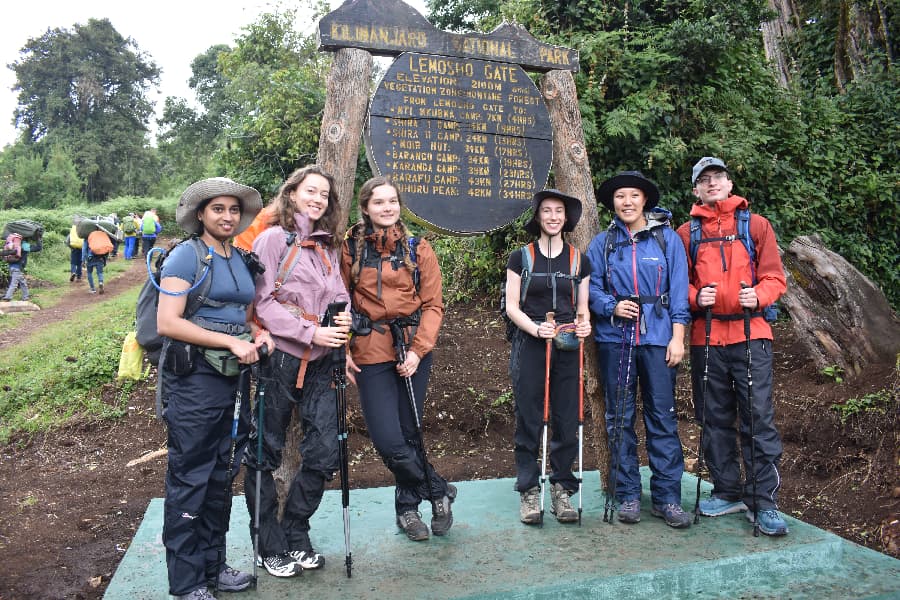
In contrast, the Lemosho Route begins at Londorossi Gate at a lower elevation, allowing climbers to acclimatize more gradually.
Starting at a lower altitude makes the Lemosho Route safer and more comfortable for most trekkers, reducing the risk of altitude sickness during the early stages of the climb.
After the initial days, both routes merge and continue across the Shira Plateau before joining the Machame Route on the southern circuit.
While the route can be completed in 7 days, adding an extra day greatly improves acclimatization and increases the chances of successfully reaching Uhuru Peak.
Before You Book Your Kilimanjaro Climb
Planning your Kilimanjaro trek involves more than choosing a route and a travel date. Before confirming your booking, make sure you understand what your climb involves, what is included in your package, what you need to prepare yourself, and what support you will receive from your mountain team.
1. Choose the Right Kilimanjaro Route
Kilimanjaro has several routes, and they differ in scenery, duration, difficulty, accommodation and trekking experience. Consider your available time, trekking experience and preferred style of adventure before choosing your kilimanjaro route.
2. Decide How Many Days to Spend on the Mountain
The number of days is an important part of your Kilimanjaro experience because your body needs time to adjust as you gain altitude. Longer kilimanjaro itineraries allow a more gradual ascent and additional time for acclimatization.
3. Understand What Your Price Includes
Before booking, make sure you know exactly what is included in your trekking package. This may include park fees, guides, porters, meals, accommodation, drinking water and transfers, while flights, visas, insurance, personal equipment and tips are normally separate.
4. Know What Equipment You Need
Kilimanjaro requires clothing and equipment suitable for rain, cold temperatures, wind and high altitude. You should prepare your personal trekking gear before arrival and make sure you have suitable footwear and warm clothing for the summit.
See Our Kilimanjaro Packing List →
5. Check Which Equipment You Can Rent
You do not necessarily need to purchase every piece of trekking equipment before travelling to Tanzania. Ask us in advance about the equipment available for rental so that you can plan what to bring from home and what you can arrange locally.
6. Understand Your Mountain Accommodation
Accommodation depends on the route you choose. Marangu uses permanent mountain huts, while kilimanjaro routes such as Lemosho, Machame, Rongai, Umbwe and Northern Circuit use camps where your mountain crew prepares your tent.
7. Understand How Altitude Will Be Managed
Altitude is one of the main challenges of climbing Kilimanjaro and can affect people differently, regardless of their fitness level. Your guides monitor the group throughout the trek, while a suitable pace, hydration and enough time for acclimatization are important parts of your preparation.
Learn About Altitude on Kilimanjaro →
8. Know What Happens If You Become Unwell
Your safety comes before reaching the summit. If you develop concerning symptoms or are unable to continue safely, your mountain guide will assess the situation and may recommend descending to a lower altitude.
Read Our Kilimanjaro Health & Safety Guide →
9. Check Your Travel Insurance
Make sure your travel insurance specifically covers high-altitude trekking on Mount Kilimanjaro and, where applicable, emergency medical treatment and evacuation. Check the policy’s maximum covered altitude and exclusions before travelling rather than assuming that a standard travel policy covers mountain trekking.
10. Understand How Tipping Works
Tips are normally separate from your trekking price and are traditionally given to the mountain crew at the end of the climb. Your guide can explain how tipping works and how it is distributed among guides, assistant guides, cooks and porters.
11. Plan Where You Will Stay Before and After the Climb
Allow yourself enough time to arrive in Tanzania, rest and prepare before starting your trek. After the climb, you may also want accommodation in Moshi before continuing to another destination.
12. Plan Your Transport to the Mountain
Your Kilimanjaro adventure normally begins with transport from your accommodation to the trailhead. Depending on your package, we can arrange the transfers between your hotel, airport and the mountain gate.
13. Decide What You Want to Do After Kilimanjaro
Many travelers combine their mountain trek with another Tanzania experience. After your climb, you can continue with a Tanzania safari, Materuni Waterfall and Coffee Tour, Chemka Hot Springs or a Zanzibar holiday.
- Machame Route
- Marangu Route
- Rongai Route
- Northern Circuit
- Umbwe Route
Kilimanjaro Climbing Guide
BOOK NOW