
Machame Route Kilimanjaro
Map, Cost, Itineraries And Climbing Guide
The Machame Route Kilimanjaro, often referred to as the “Whiskey Route,” is one of the most popular and rewarding ways to climb Mount Kilimanjaro. Renowned for its breathtaking scenery, excellent acclimatization profile, and high summit success rate, it is a favourite choice for climbers seeking both adventure and the best possible chance of reaching Uhuru Peak, the highest point in Africa.
Starting at Machame Gate on the southern slopes of Mount Kilimanjaro, the route takes trekkers through five unique climatic zones, from lush tropical rainforest and heather moorland to alpine desert and the glacier-covered summit. Along the way, climbers experience some of Kilimanjaro’s most iconic landmarks, including the expansive Shira Plateau, Lava Tower, the impressive Barranco Wall, and the Southern Icefields.
The Machame Route follows the proven “walk high, sleep low” acclimatization strategy, making it one of the most successful routes on the mountain. While the trail is more challenging than the Marangu Route, it rewards climbers with spectacular views, diverse landscapes, and an unforgettable trekking experience. Most trekkers choose the 7-day itinerary for optimal acclimatization and the highest summit success, although a 6-day option is also available for experienced hikers.
Whether you are climbing Kilimanjaro for the first time or returning for another adventure, the Machame Route Kilimanjaro offers an outstanding combination of scenic beauty, adventure, and a rewarding journey to the Roof of Africa.
Machame Route Overview
| Feature | Details |
|---|---|
|
Route Length |
6-7 Days |
|
Difficulty |
Moderate to Challenging |
|
Summit Success Rate |
High to Very High (7 Days itinerary) |
|
Starting Point |
Machame Gate (Southern Kilimanjaro) |
|
Accommodation |
Camping |
|
Highest Point |
Uhuru Peak – 5,895 m (19,341 ft) |
|
Best For |
First-Time Climbers, Nature Lovers & Photographers |
|
Route Side |
Southern Kilimanjaro |
|
Descent Route |
|
|
Scenery |
Excellent – Rainforest, Shira Plateau, Lava Tower, Barranco Wall, Karanga Valley, Southern Icefields & Alpine Desert |
|
Crowds |
Moderate |
|
Summit Night |
Barafu Camp to Uhuru Peak |
|
Recommended Itinerary |
Is the Machame Route the Best Route on Kilimanjaro?
The Machame Route Kilimanjaro is widely regarded as one of the best routes for climbing Mount Kilimanjaro because it offers an outstanding combination of beautiful scenery, excellent acclimatization and a high summit success rate. Known as the “Whiskey Route,” it is ideal for adventurous trekkers who want a rewarding climb with diverse landscapes and spectacular mountain views.
One of the biggest advantages of the Machame Route is its “walk high, sleep low” acclimatization profile. This gradual approach helps climbers adapt to the altitude, especially on the recommended 7-day itinerary, which offers a higher chance of reaching Uhuru Peak than the shorter 6-day option.
Throughout the trek, climbers pass through five unique climatic zones, from lush rainforest and heather moorland to alpine desert and the glacier-covered summit. Highlights of the route include the Shira Plateau, Lava Tower, the famous Barranco Wall, and panoramic views of Kilimanjaro’s Southern Icefields.
While the Lemosho Route is often preferred by climbers looking for quieter trails and a longer acclimatization period, the Machame Route remains one of the most popular choices thanks to its balance of adventure, scenery and summit success. It is an excellent option for both first-time climbers with good fitness and experienced trekkers seeking a memorable Kilimanjaro adventure.
If you’re looking for a scenic, well-established route with excellent acclimatization and the support of experienced local guides, the Machame Route Kilimanjaro is one of the best ways to reach the Roof of Africa.
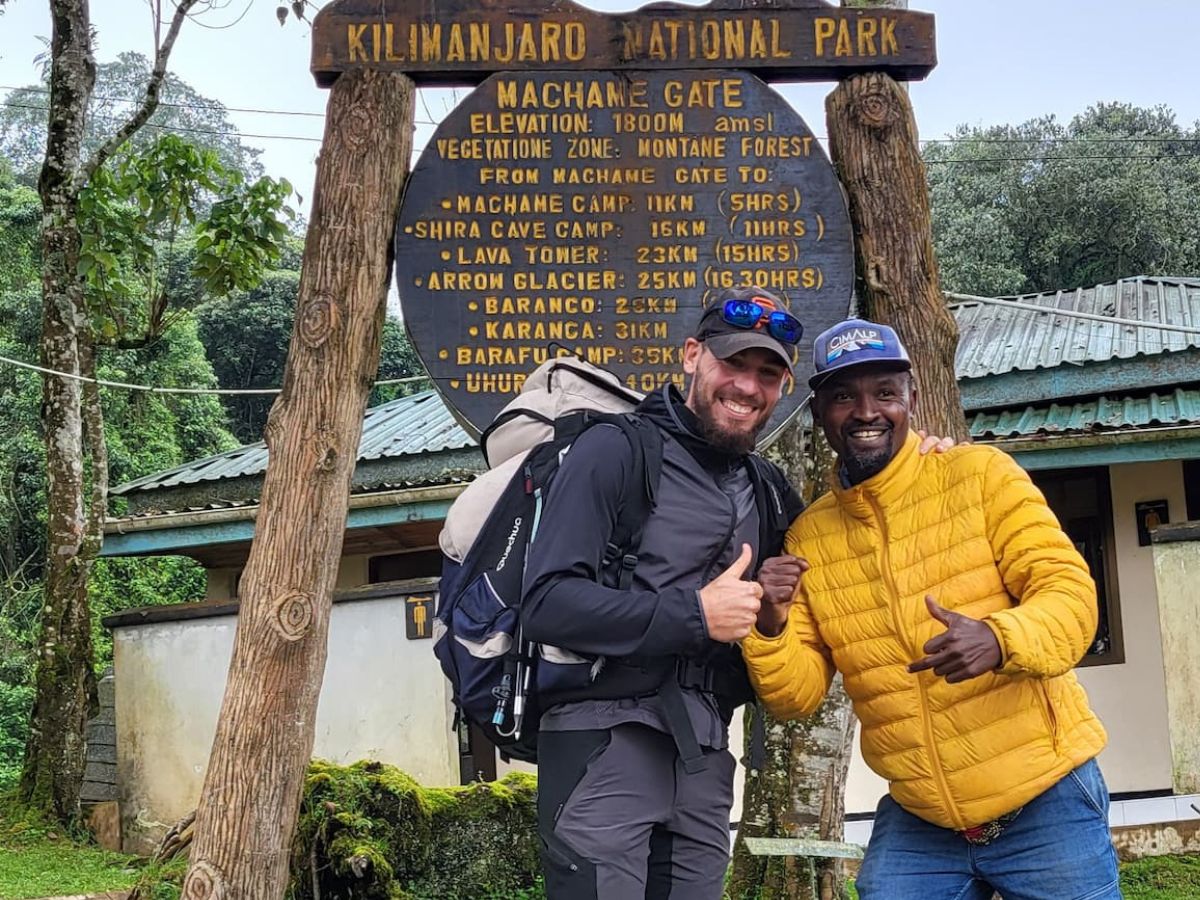
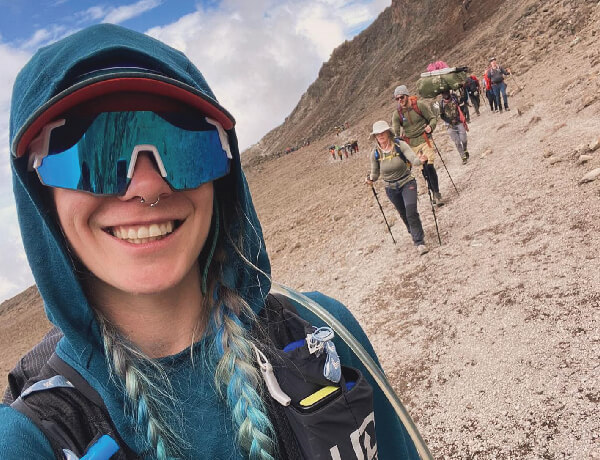
How Much Does the Machame Route Cost?
The cost of climbing the Machame Route Kilimanjaro varies depending on the length of the trek, the number of climbers in your group, and whether you choose a private or shared expedition. The two most popular options are the 6-day and 7-day Machame Route, with the 7-day itinerary offering more time for acclimatization and a higher summit success rate.
When comparing prices, it’s important to understand what is included in your package. A quality Kilimanjaro climb should cover all Kilimanjaro National Park fees, professional mountain guides, experienced porters, cooks, quality camping equipment, nutritious meals on the mountain, rescue fees, and transfers between Kilimanjaro International Airport, your hotel in Moshi, and the park gate.
At Materuni Tours, we believe in transparent pricing with no hidden costs. As a locally owned tour operator based in Moshi, we focus on providing a safe, well-organized and memorable climbing experience while supporting the local community through fair wages and responsible tourism.
Although the 6-day Machame Route is a good choice for experienced trekkers with limited time, we generally recommend the 7-day itinerary because the additional acclimatization day gives climbers more time to adjust to the altitude. This not only makes the trek more enjoyable but also increases the chances of reaching Uhuru Peak, the highest point in Africa.
If you’re planning your Kilimanjaro adventure, explore our Machame Route itineraries below to compare each option and choose the one that best fits your schedule, experience and budget.
| Price for 7 Days | Price for 6 Days |
|---|---|
|
1 Person: $2,245 |
1 Person: $2,015 |
|
2 people: $1,965 per person |
2 people: $1,685 per person |
|
3 people: $1,825per person |
3 people: $1,650 per person |
|
4 people: $1,780 per person |
4 people: $1,645 per person |
|
5 people: $1,735 per person |
5 people: $1,535 per person |
|
6 people: $1,705per person |
6 people: $1,531 per person |
|
7+ people: $1,695 per person |
7+ people: $1,505per person |
Machame Route Itineraries
7 DAYS MACHAME ROUTE
- South-Western Kilimanjaro
One of Kilimanjaro’s most popular climbs, combining spectacular scenery, excellent acclimatization, and a rewarding journey to Uhuru Peak over seven unforgettable days.
6 DAYS MACHAME ROUTE
- South-Western Kilimanjaro
Starting from the southern side of Mount Kilimanjaro, experience the popular Machame Route in six days, offering an exciting and challenging adventure to the Roof of Africa.
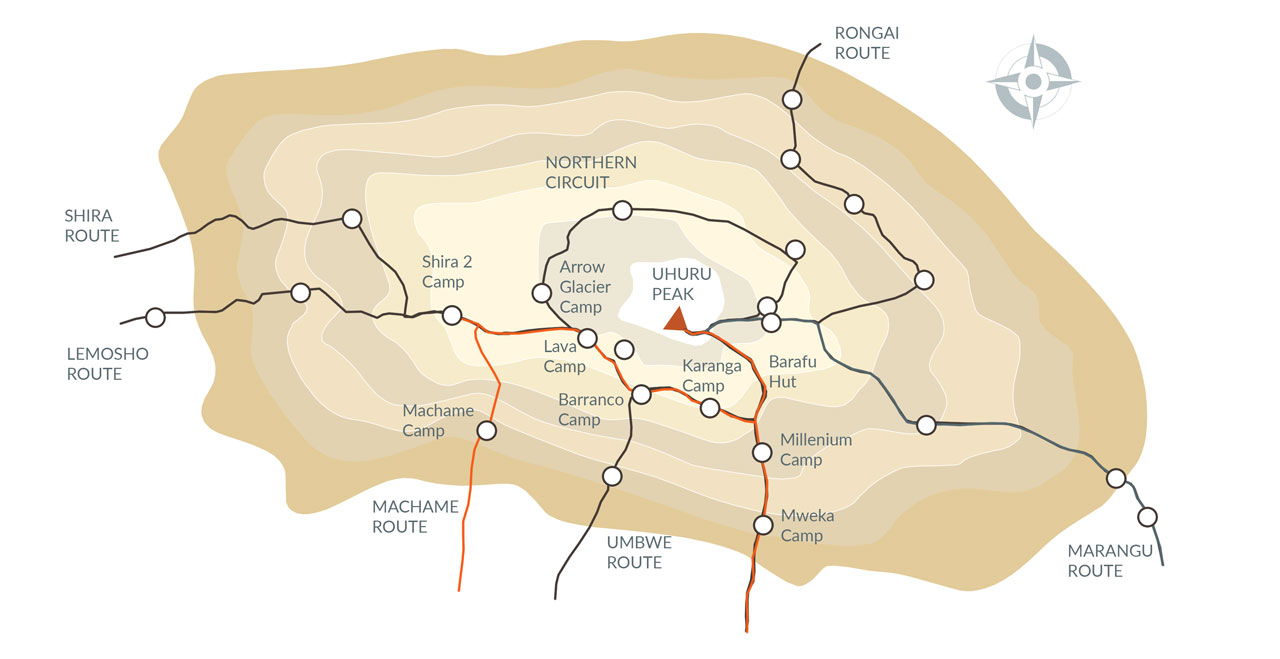
Machame Route Map
Landscapes and Scenery on the Machame Route
The Machame Route Kilimanjaro is widely regarded as one of the most scenic routes on Mount Kilimanjaro, offering an incredible variety of landscapes from the moment you begin your climb. As you ascend the mountain, you’ll experience five distinct climatic zones, each with its own unique beauty and wildlife.
The journey starts in the lush montane rainforest, where towering trees, giant ferns and colourful birds create a vibrant natural environment. As the trail climbs higher, the dense forest gradually gives way to open heather and moorland, providing the first panoramic views of Kilimanjaro’s peaks and surrounding valleys.
One of the highlights of the Machame Route is crossing the expansive Shira Plateau, one of the world’s highest plateaus. From here, trekkers continue to the impressive Lava Tower, a volcanic rock formation that plays an important role in acclimatization while offering spectacular views of the mountain.
Further along the trail, climbers tackle the famous Barranco Wall, one of Kilimanjaro’s most exciting and rewarding sections. Although it looks intimidating from below, the climb is straightforward and rewards trekkers with breathtaking views across glaciers, valleys and the Southern Icefields.
As you approach the summit, the landscape transforms into a rugged alpine desert before reaching the glacier-covered slopes leading to Uhuru Peak. Watching the sunrise from Africa’s highest point is an unforgettable experience and one of the greatest rewards of climbing the Machame Route Kilimanjaro.
From lush rainforest to volcanic landscapes, dramatic ridges and snow-covered glaciers, the Machame Route offers one of the most diverse and unforgettable trekking experiences on Mount Kilimanjaro.
How Difficult Is the Machame Route?
The Machame Route Kilimanjaro is considered a moderately challenging route and is best suited for climbers with a good level of fitness and a positive attitude. While no technical climbing experience is required, the route includes longer hiking days, steeper sections, and higher altitude, making it more demanding than the Marangu Route.
One of the most well-known features of the Machame Route is the Barranco Wall. Although it may appear intimidating, it is a straightforward scramble rather than a technical climb. Your professional mountain guides will assist you throughout the ascent, ensuring you climb safely and confidently.
The greatest challenge on the Machame Route is not the terrain itself but the high altitude. As climbers gain elevation, the air becomes thinner, making acclimatization essential for a successful summit. The Machame Route follows the proven “walk high, sleep low” acclimatization strategy, allowing trekkers to gradually adjust to the altitude and significantly improving their chances of reaching Uhuru Peak.
For this reason, we recommend the 7-Day Machame Route whenever possible. The extra acclimatization day provides more time for your body to adapt to the altitude, making the climb more comfortable and increasing the likelihood of a successful summit compared to the 6-day itinerary.
With proper preparation, experienced local guides, and a steady pace, the Machame Route Kilimanjaro is an achievable and rewarding adventure for many first-time climbers as well as experienced trekkers.
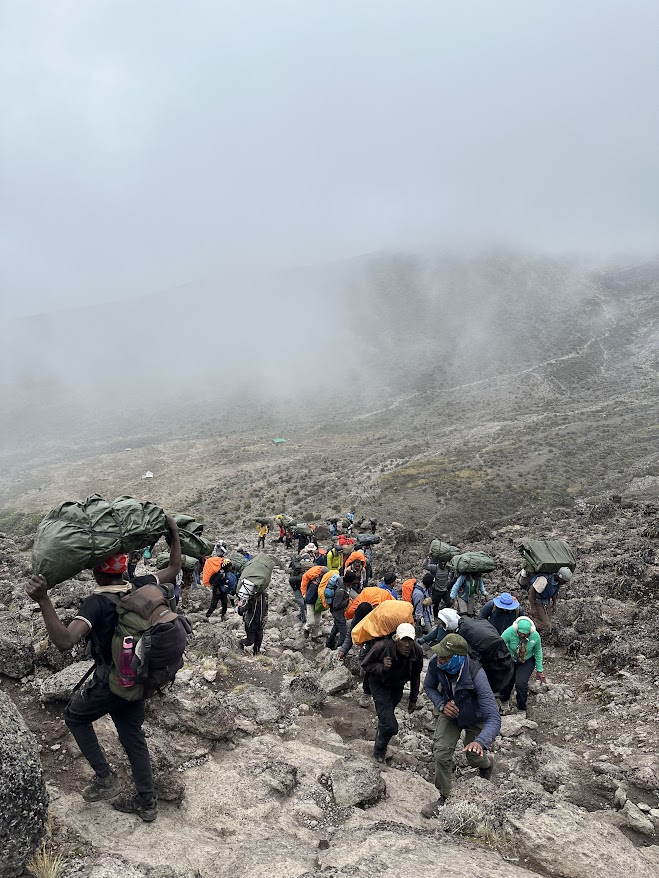
Machame Route Summit Success Rate
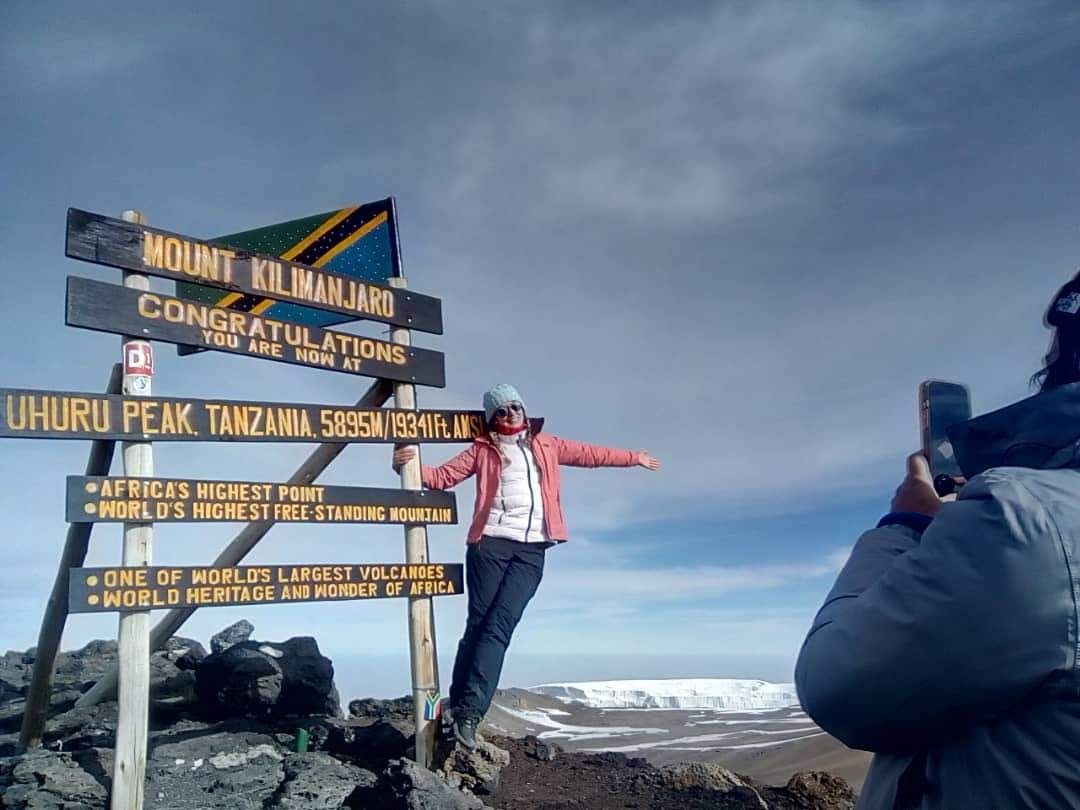
The Machame Route has one of the highest summit success rates on Mount Kilimanjaro thanks to its excellent acclimatization profile and the proven “climb high, sleep low” approach. This allows climbers to gradually adapt to the altitude before making the final ascent to Uhuru Peak (5,895 m).
Summit success rates vary depending on the itinerary length:
- 6-day itinerary: approximately 70–80% summit success
- 7-day itinerary: approximately 85–90% summit success
The 7-day Machame Route includes an extra acclimatization day, giving your body more time to adjust to the altitude. This additional day significantly improves your chances of reaching the summit while making the climb more comfortable and enjoyable.
For this reason, we recommend the 7-day Machame Route for most climbers. It offers the best balance of acclimatization, comfort, spectacular scenery, and summit success, making it one of the most popular ways to climb Mount Kilimanjaro.
Pros and Cons of the Machame Route
Pros
- Exceptional Scenic Diversity
- From lush rainforest to the stark beauty of the alpine desert and the icy summit of Uhuru Peak, the Machame Route offers an ever-changing landscape. Each day reveals a new environment, providing a visually rich and memorable trekking experience.
- Strong Acclimatization for Higher Success
- The route follows a “climb high, sleep low” pattern, allowing trekkers to gradually adapt to the altitude. This significantly increases the chances of reaching the summit, especially on the recommended 7-day itinerary.
- Iconic Landmarks and Panoramic Views
- Trekkers experience some of Kilimanjaro’s most famous highlights, including the dramatic Barranco Wall and sweeping views across the Shira Plateau. These moments create unforgettable memories and incredible photo opportunities.
- Perfect for Adventurous Trekkers
- Machame offers a balanced level of challenge demanding enough to feel like a true mountain expedition while still achievable for fit first time climbers with proper preparation.
- Varied Ascent and Descent Routes
- Unlike some other routes, Machame ascends from the south and descends via the Mweka Route. This variation enhances the trekking experience and allows climbers to see more of the mountain.
Cons
- Physically Demanding Terrain
- Machame includes several steep and challenging sections, such as the Barranco Wall. While non-technical, these areas require good physical fitness and stamina.
- Popular and Occasionally Crowded
- Due to its reputation, the route can be busy during peak trekking seasons. Campsites and trails may feel lively rather than remote.
- Camping Only No Mountain Huts
- Trekkers sleep in tents for the entire journey. Although this enhances the wilderness experience, it may be less comfortable for those who prefer hut accommodations like those on the Marangu Route.
- Wet Conditions at the Start
- The first days pass through dense rainforest where rain and mud are common. Proper waterproof gear is essential to remain comfortable.
- Shorter Itineraries Are More Challenging
- While the Machame Route can be completed in six days, the reduced acclimatization time lowers summit success rates. A seven-day itinerary is strongly recommended for a safer and more enjoyable climb.
How to Prepare for the Machame Route
Proper preparation is one of the most important factors for a successful climb on the Machame Route Kilimanjaro. Although the route does not require technical climbing skills, it is a physically demanding trek that takes you to an altitude of 5,895 metres (19,341 feet) at Uhuru Peak. Preparing your body, choosing the right equipment, and allowing enough time for acclimatization will greatly improve your chances of reaching the summit.
Train Before Your Climb
We recommend starting your training at least 6–8 weeks before your Kilimanjaro adventure. Focus on activities that improve your endurance and leg strength, such as hiking, walking on steep trails, running, cycling, or stair climbing. If possible, practice hiking with a backpack to become comfortable carrying your daypack over longer distances.
Choose the Right Itinerary
The 7-Day Machame Route is our recommended itinerary because it provides an extra day for acclimatization. The additional time allows your body to adjust to the altitude, making the climb more comfortable and increasing your chances of reaching Uhuru Peak.
Bring the Right Gear
Packing the correct clothing and equipment is essential for changing mountain conditions. Temperatures can range from warm tropical weather at the base of the mountain to well below freezing near the summit. Waterproof clothing, warm layers, quality hiking boots, gloves, and a reliable sleeping bag are all essential for a safe and enjoyable climb.
Arrive Early in Moshi
We recommend arriving in Moshi at least one day before your trek. This gives you time to rest after your flight, meet your mountain guides, complete a full equipment check, and attend the pre-climb briefing. If you need any missing gear, it can be rented locally before your departure.
Climb Slowly and Stay Hydrated
The key to a successful Kilimanjaro climb is maintaining a slow, steady pace. Your guides will encourage you to walk “pole pole” (slowly, slowly), drink plenty of water, eat well, and listen to your body throughout the trek. These simple habits play a major role in preventing altitude sickness and improving your overall climbing experience.
Prepare with Materuni Tours
Our experienced local guides will support you every step of the way, from your arrival in Moshi to your successful summit attempt. We provide a detailed pre-climb briefing, equipment inspection, daily health checks, and professional guidance throughout your Machame Route Kilimanjaro adventure, ensuring you are fully prepared for a safe and memorable climb.
Starting Point and Route Experience
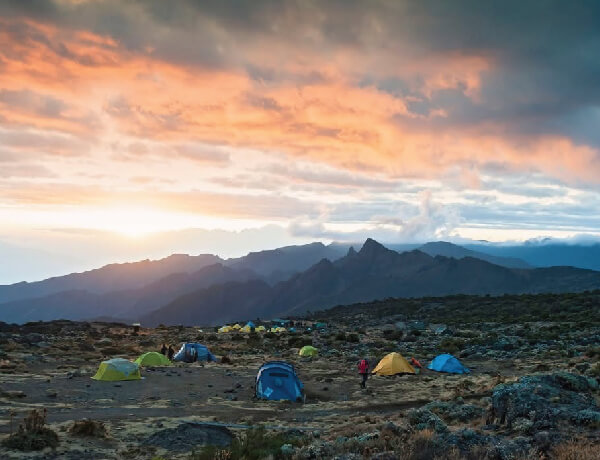
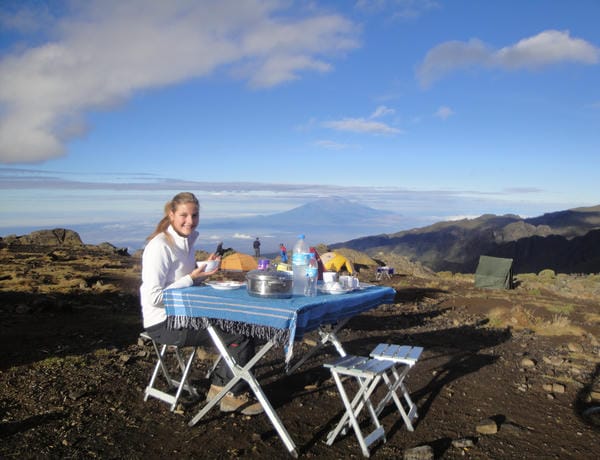
The trek starts in a lush tropical rainforest, where climbers walk beneath towering trees and may encounter black-and-white colobus monkeys, colourful birds, and other wildlife native to Kilimanjaro National Park.
As the trail ascends, the rainforest gradually gives way to heather and moorland, offering the first panoramic views of the mountain. The route then crosses the magnificent Shira Plateau, where trekkers can enjoy spectacular scenery and expansive views across the western slopes of Kilimanjaro.
The climb continues to the impressive Lava Tower, an important acclimatization point, before descending into the beautiful Barranco Valley. Climbers then tackle the famous Barranco Wall and continue across the southern circuit to Karanga Camp and Barafu Camp, where they prepare for the final ascent to Uhuru Peak (5,895 m), the highest point in Africa.
After reaching the summit, the descent follows the Mweka Route, providing a faster return through the rainforest to Mweka Gate.
Machame Route vs Lemosho Route
Machame Route vs Lemosho Route Comparison
| Feature | Machame Route | Lemosho Route |
|---|---|---|
|
Starting Point |
Machame Gate (Southern side)
) |
Londorossi Gate (Western side |
|
Recommended Duration
|
6–7 days |
7–8 days
|
|
Difficulty
|
Moderate to Challenging |
Moderate
|
|
Acclimatization
|
Excellent
|
Excellent |
|
Scenery
|
Outstanding
|
Outstanding |
|
Trail Traffic
|
More popular |
Quieter during the first days |
|
Accommodation
|
Camping
|
Camping |
|
Best For
|
Adventurous climbers looking for a shorter itinerary |
Climbers wanting quieter trails and a longer approach |
|
Summit Success
|
Very High (especially 7 days itinerary)
|
High (especially 7-8 days itineraries) |
Machame vs Other Route
The Machame Route Kilimanjaro is one of the most popular choices for climbers because it offers an excellent balance of adventure, spectacular scenery, and successful acclimatization. Its diverse landscapes, well-designed climbing profile, and rewarding trekking experience make it a favourite for both first-time climbers with good fitness and experienced hikers.
Compared to other routes on Mount Kilimanjaro, the Machame Route offers several advantages:
Compared to the Marangu Route, Machame is more scenic, passing through rainforest, moorland, alpine desert, and dramatic volcanic landscapes. Although it is slightly more challenging, it provides a better acclimatization profile and higher summit success on the recommended 7-day itinerary.
Compared to the Lemosho Route, Machame follows a shorter approach and starts closer to Moshi at Machame Gate. Both routes share many spectacular sections after Shira Plateau, but Machame is an excellent choice for climbers looking for a slightly shorter trek without sacrificing scenery or summit success.
Compared to the Umbwe Route, Machame offers a more gradual ascent and significantly better acclimatization. While Umbwe is known for its steep and demanding climb, Machame provides a safer and more comfortable experience for most trekkers.
Compared to the Rongai Route, Machame is greener and more diverse, offering lush rainforest, the famous Barranco Wall, Lava Tower, and panoramic views along the southern circuit. Rongai is generally quieter, while Machame is preferred by climbers seeking more dramatic scenery.
Because of its excellent acclimatization, breathtaking landscapes, and proven summit success, the Machame Route Kilimanjaro is widely regarded as one of the best routes for reaching Uhuru Peak. It is the perfect choice for climbers looking for a rewarding adventure supported by experienced local guides and a well-planned trekking itinerary.
Professional Guides on the Machame Route
At Materuni Tours, we believe that a successful Kilimanjaro climb starts with an experienced and dedicated mountain team. Our professional local guides have led many climbers to the summit of Mount Kilimanjaro via the Machame Route, providing expert support from your arrival in Moshi until you safely return from the mountain.
Every Machame climb is led by certified English-speaking guides who have extensive knowledge of the route, mountain weather, altitude management, and emergency procedures. Their experience ensures that every climber follows a safe pace, acclimatizes properly, and enjoys the adventure with confidence.
Your safety, comfort, and overall experience are our highest priorities, and our team is committed to making your Machame Route adventure both successful and unforgettable.
What you can expect on every Machame Route trek
Certified local mountain guides with extensive Machame Route experience
- Daily health checks and altitude monitoring throughout the climb
- High-quality camping equipment and freshly prepared mountain meals
- Ethical treatment and fair support for our porters and mountain crew
- Friendly assistance before and after your climb in Moshi
- Local expertise and genuine Tanzanian hospitality from the Materuni Tours team
Climb the Machame Route with a Local Kilimanjaro Team in Moshi
Every Machame Route Kilimanjaro climb with Materuni Tours begins in Moshi, the gateway to Mount Kilimanjaro and the perfect place to prepare for your trekking adventure. As a locally owned company based in Moshi, our experienced mountain team provides personal support from the moment you arrive until you safely complete your climb.
Before your trek, you’ll meet your professional guides for a detailed climb briefing and equipment inspection to make sure you are fully prepared for the mountain. This preparation gives you the opportunity to ask questions, check your gear, and make any final arrangements before heading to Machame Gate.
The Machame Route begins at Machame Gate on the southern side of Mount Kilimanjaro. Known as the “Whiskey Route,” it is famous for its breathtaking scenery, excellent acclimatization profile, and diverse landscapes. Throughout the climb, our experienced guides monitor your health, maintain a comfortable pace, and provide professional support to maximize your chances of reaching Uhuru Peak safely.
As a local Kilimanjaro operator, we combine years of mountain experience with genuine Tanzanian hospitality to create an unforgettable trekking experience. Before or after your climb, you can also explore our Moshi & Kilimanjaro Tours page for waterfalls, coffee tours, cultural experiences, and other activities around Mount Kilimanjaro.
Ready to climb? Explore our Machame Route itineraries below and choose the itinerary that best matches your schedule, experience, and summit goals.
- Kilimanjaro Routes
- Lemosho Route
- Marangu Route
- Rongai Route
- Northern Circuit
- Umbwe Route
Kilimanjaro Climbing Guide
Book Now