Where to Go and What to Expect on Kilimanjaro
Most Kilimanjaro climbs begin in the town of Moshi, located at the base of the mountain. Moshi is the main starting point for trekking expeditions and where climbers prepare before beginning their journey.
One of the most fascinating things about climbing Mount Kilimanjaro is experiencing five different climate zones during the trek.
1. Rainforest Zone
The climb begins in a lush tropical forest filled with tall trees, colorful birds, and sometimes monkeys.
2. Heath and Moorland Zone
As you climb higher, the forest opens into beautiful landscapes with giant lobelias and unique alpine plants.
3. Alpine Desert Zone
Higher on the mountain the terrain becomes dry and rocky, with dramatic volcanic scenery.
4. Arctic Summit Zone
Near the summit the environment becomes icy and cold, with glaciers and snowfields surrounding the peak.
5. Cultivated Zone
At the base of the mountain you will see farms and villages where local communities grow coffee and bananas.
This dramatic change in landscapes makes Kilimanjaro one of the most unique trekking experiences in the world.
Best Kilimanjaro Routes for Beginners
There are several routes used to climb Mount Kilimanjaro. Each route has different scenery, difficulty levels, and success rates.
Popular Kilimanjaro routes include:
Lemosho Route
The Lemosho Route is considered one of the best routes for acclimatization and beautiful scenery. It is ideal for climbers who want a higher chance of reaching the summit.
Machame Route
The Machame Route, also known as the “Whiskey Route,” is one of the most popular routes because it offers spectacular views and a good balance between challenge and success rate.
Marangu Route
The Marangu Route is the only route that uses mountain huts instead of tents, making it attractive for some climbers.
Choosing the right route is very important because longer routes give your body more time to adjust to altitude, increasing your chances of success.
Choosing the Right Kilimanjaro Tour Company
Climbing Kilimanjaro must be done with a licensed local operator. A good company will provide professional guides, safety monitoring, quality equipment, and fair treatment of porters.
Materuni Tours and Safaris, based near Mount Kilimanjaro, offers professional trekking experiences led by experienced local guides.
When you climb with Materuni Tours you receive:
Professional Kilimanjaro mountain guides
Friendly and experienced porters
Delicious meals prepared by a mountain chef
Quality camping equipment
Daily health and altitude checks
The support of your mountain team makes the journey safer, more comfortable, and much more enjoyable.
Best Time to Climb Mount Kilimanjaro
Kilimanjaro can be climbed throughout the year, but some seasons provide better weather conditions.
Best Climbing Seasons
January – March
Cooler temperatures
Fewer climbers
Beautiful clear skies
June – October
Rainy Seasons
April – May and November
These months are wetter, but the mountain is quieter and landscapes are greener.
Many climbers also choose to climb Kilimanjaro to celebrate special occasions such as birthdays, honeymoons, or New Year’s Eve on the summit.
What It Is Like to Climb Kilimanjaro
A Kilimanjaro trek usually takes 6 to 8 days, depending on the route. Each day involves several hours of hiking followed by rest at mountain camps.
Your trekking team normally includes:
One of the most memorable parts of the climb is the encouragement from the mountain crew, who often sing traditional songs to motivate climbers along the way.
Where You Stay During the Trip
On the Mountain
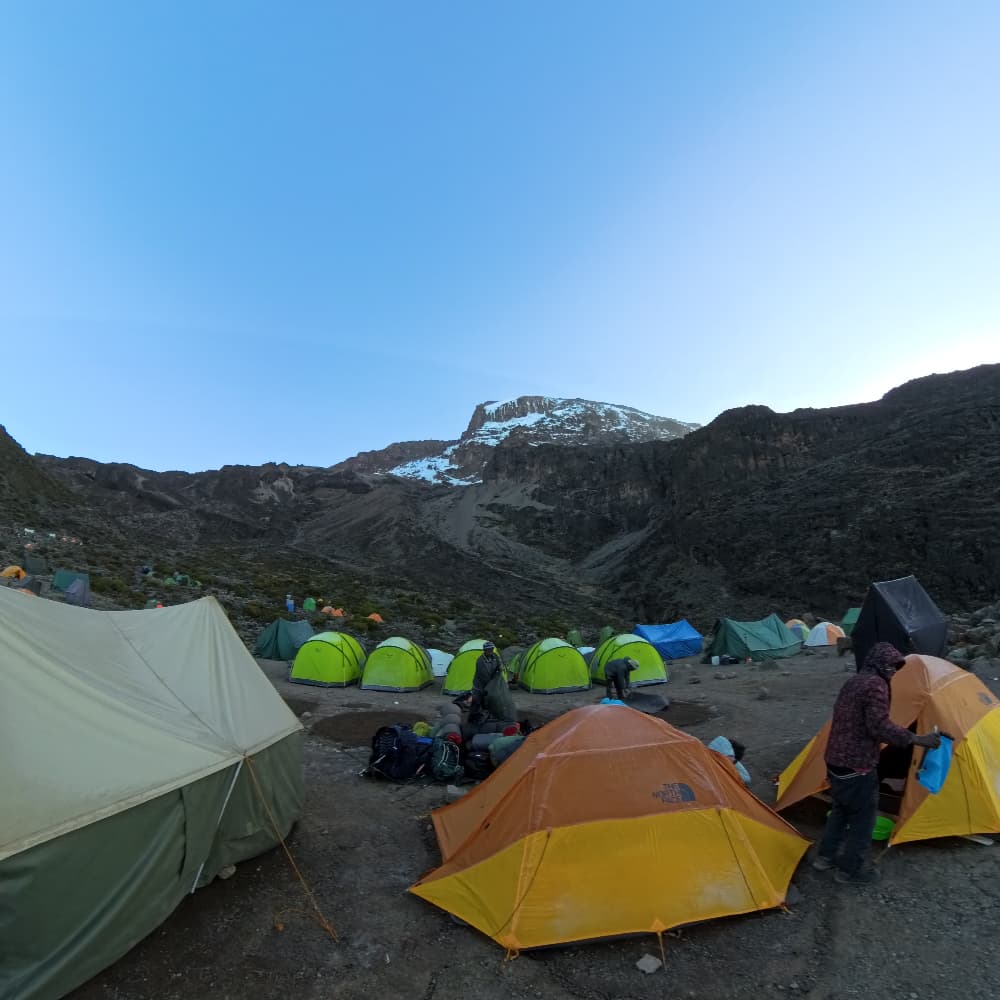
Most routes use mountain tents, which your crew sets up at each camp. After a day of hiking, you can relax while enjoying hot meals and beautiful sunset views.
Before and After the Climb
Most climbers stay in comfortable hotels or lodges in Moshi before and after their trek. Many visitors also choose peaceful accommodations near the mountain to relax before the climb.
Best Moments of Climbing Mount Kilimanjaro
Every Kilimanjaro climb offers unforgettable memories. Some highlights include:
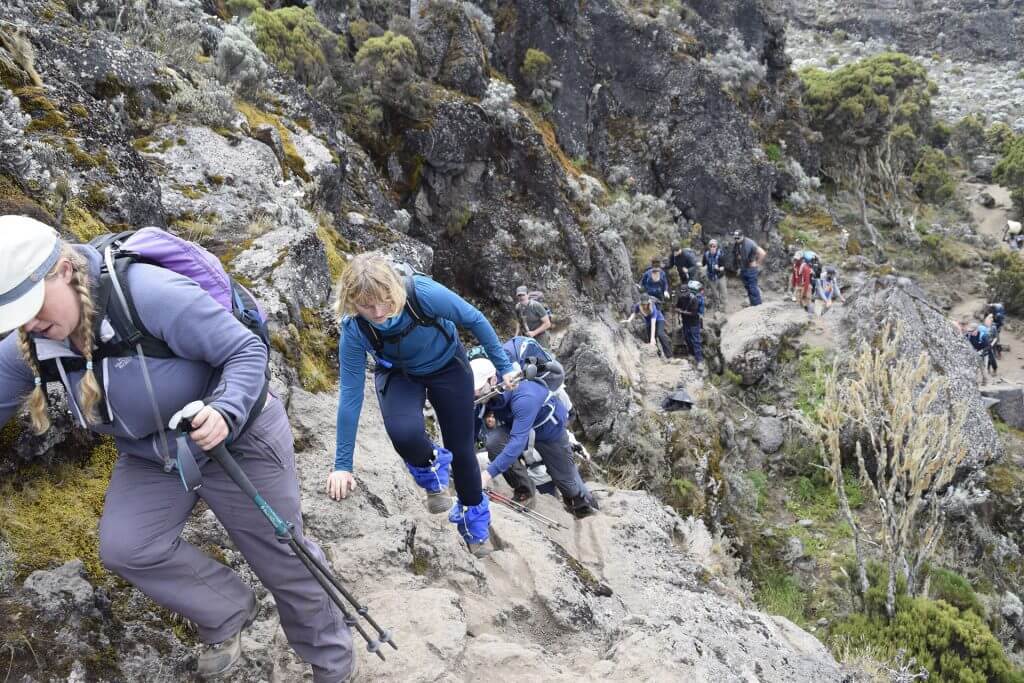
Barranco Wall
A thrilling climb over volcanic rock with spectacular views.
Summit Night
The most challenging part of the journey, starting around midnight to reach the summit at sunrise.
Uhuru Peak Sunrise
Watching the sun rise above the clouds at the highest point in Africa is an emotional and rewarding experience.
5 Essential Items to Pack for Kilimanjaro
1. Warm Sleeping Bag
Temperatures at high altitude can drop below −10°C, so a high-quality sleeping bag is essential.
2. Sunscreen and SPF Lip Balm
The sun is very strong near the equator, especially at high altitude.
3. Power Bank
Electricity is not available on the mountain, so a portable charger is very useful.
4. Comfortable Hiking Boots
Wear boots that are already broken in to avoid blisters.
5. Waterproof Jacket or Poncho
Rain can appear suddenly, especially in the rainforest zone.
.
Extra Tips for Women Climbing Kilimanjaro
- Train with regular hiking or long walks before the trip
Pack layers for different temperatures
Stay hydrated during the climb
Walk slowly — guides call this “pole pole”, meaning slowly in Swahili
Choose a 7 or 8-day route for better acclimatization
With the right preparation and a positive mindset, reaching the summit is absolutely achievable.
Ready to Climb Mount Kilimanjaro?
Climbing Mount Kilimanjaro is a life-changing adventure that many people dream about. With determination, preparation, and the support of an experienced local team, you can stand on the Roof of Africa.
Materuni Tours offers professionally guided Kilimanjaro climbs and unforgettable Tanzania safaris.
Start planning your Kilimanjaro adventure today.
Tags