call your travel Expert
call your travel Expert
call your travel Expert
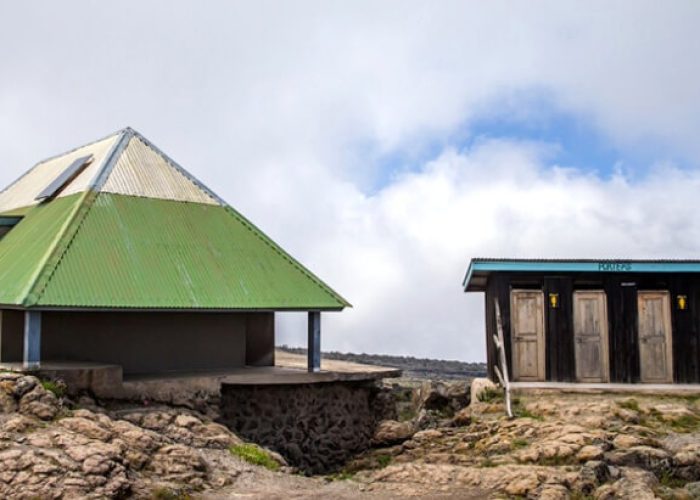
Toilet facilities on Kilimanjaro are basic but available at every designated campsite along the main trekking routes. Climbers can expect shared public toilets maintained by the national park, and some operators provide private portable toilets for improved hygiene and comfort. Understanding what to expect before your climb helps you prepare properly and avoid surprises during your Kilimanjaro trekking experience in any of this route like Machame route, Lemosho route, Marangu route, Umbwe route and Rongai route.
The reality is simple bathroom conditions on the mountain are part of the adventure. Being prepared makes the experience far more comfortable.
There are two main types of toilets available during a Kilimanjaro climb:
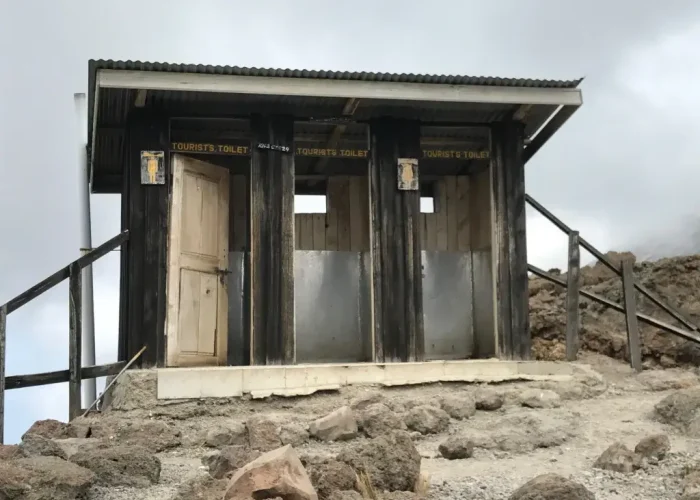
Most campsites have shared “long-drop” toilets maintained by the national park. These are simple pit latrines used by all climbers on the route. Cleanliness varies depending on the location and the number of trekkers at each camp. This option is used by most climbers and is one of the reasons many people complain about toilets on Kilimanjaro. Expectations should remain realistic conditions are basic and not comparable to hotel or city facilities.
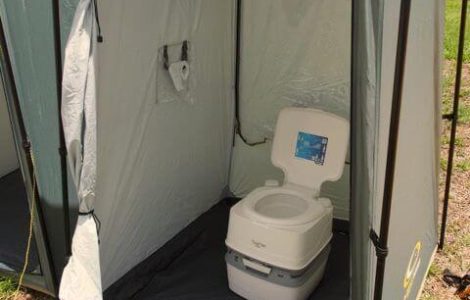
Many climbing operators offer the option of a private portable toilet carried by a porter. These toilets are placed inside a small privacy tent and set up at each campsite.
Private toilets provide:
better hygiene
privacy
comfort during long climbs
They are especially useful for climbers who want a more comfortable trekking experience.
Getting “caught short” happens to everyone. Ignoring the need for long periods can be uncomfortable and even unsafe.
Climbers should carry simple solutions for emergencies while trekking between camps.
Options include:
small containers
personal hygiene kits
portable urination devices
These can be emptied properly at the next campsite.
Some climbers use specialized gear designed for trekking, including female urination devices and portable toilet kits commonly used for outdoor expeditions and festivals. These tools can be extremely helpful during night hours or on long trekking days.
Night-time trips to public toilets can be challenging due to:
cold temperatures
darkness
distance from tents
Many climbers prefer portable options at night for safety and comfort. A simple bottle or container can be useful when leaving the tent feels difficult in extreme weather conditions.
Preparation reduces stress and improves rest during the climb.
Summit night is the most challenging part of climbing Mount Kilimanjaro, and toilet facilities are very limited along the way. Once climbers leave the base camps for the final ascent, there are generally no toilets available on the trail.
On the Machame and Lemosho routes, the last available toilets before the summit push are usually at the base camps, such as Barafu Camp. A short distance above Barafu, there is a simple toilet facility at Kosovo Camp, which is approximately one hour from the main base camp. After this point, there are no toilets on the route toward Uhuru Peak.
Similarly, on the Rongai and Marangu routes, toilet access becomes very limited once climbers begin the summit ascent from their high camps. From these camps to the summit and back, trekkers must rely on careful planning and personal hygiene preparation.
Because of these conditions, climbers should prepare for summit night by carrying essential items such as:
toilet paper
wet wipes
a small personal container if needed
hand sanitizer
It is important to follow Leave No Trace principles during the climb. If nature calls during the ascent, climbers must manage waste responsibly and avoid leaving any litter or used materials on the mountain.
Guides and porters provide support and advice during summit night, helping climbers manage safety, timing, and personal needs during this demanding stage of the trek.
Understanding the limited toilet access during summit night helps climbers prepare mentally and physically for one of the most challenging and rewarding parts of the Kilimanjaro experience.
The quality of hygiene support often depends on the climbing company you choose. Experienced local operators prepare climbers with:
hygiene guidance
proper campsite planning
optional private toilets
trained support teams
This support plays an important role in comfort and safety during the climb.
Climbing Mount Kilimanjaro is a life-changing experience, and preparation is key to enjoying the journey. Knowing what to expect with toilet facilities helps climbers feel confident and ready for the adventure ahead.
Our experienced local team supports climbers every step of the way from planning the best routes to providing safety guidance, equipment advice, and optional comfort upgrades like private toilets.
Contact Materuni Tours today to start planning your Kilimanjaro climb and prepare for an unforgettable journey to Africa’s highest peak.