
Umbwe Route
Map, Cost, Itineraries And Climbing Guide
The Umbwe Route Kilimanjaro is the shortest, steepest, and most direct route to the summit of Mount Kilimanjaro (5,895 m). Starting from the mountain’s southern slopes, it climbs rapidly through dense rainforest before ascending into the moorland, alpine desert, and glacial summit zone. Its fast elevation gain and limited acclimatization make it one of the most physically demanding routes on the mountain.
Unlike the busier routes, the Umbwe Route offers a remote and uncrowded trekking experience during the first days of the climb, allowing hikers to enjoy the mountain’s pristine wilderness and dramatic scenery in relative solitude. The trail later joins the Machame Route at Barranco Camp, following the classic southern circuit to Uhuru Peak before descending via the Mweka Route.
Because of its challenging nature, the Umbwe Route is recommended for experienced trekkers with excellent fitness and previous high-altitude hiking experience. For adventurous climbers seeking a demanding ascent, spectacular landscapes, and fewer crowds, the Umbwe Route delivers one of the most rewarding adventures on Mount Kilimanjaro.
Umbwe Route Overview
| Feature | Details |
|---|---|
|
Route Length |
6 or 7 Days |
|
Difficulty |
Very Challenging |
|
Summit Success Rate |
Moderate (Higher on 7-Day Itinerary) |
|
Starting Point |
Umbwe Gate (Southern Kilimanjaro) |
|
Accommodation |
Camping |
|
Highest Point |
Uhuru Peak – 5,895 m (19,341 ft) |
|
Best For |
Experienced Trekkers, Adventure Seekers & Climbers with High-Altitude Experience |
|
Route Side |
Southern Side of Mount Kilimanjaro |
|
Descent Route |
|
|
Scenery |
Excellent – Rainforest, Umbwe Ridge, Barranco Valley, Barranco Wall, Karanga Valley, Alpine Desert & Glacial Summit |
|
Crowds |
Very Low at the Start, Moderate After Joining the Machame Route |
|
Summit Night |
Barafu Camp to Uhuru Peak |
|
Recommended Itinerary |
7 Days Umbwe Route |
Is the Umbwe Route the Best Route on Kilimanjaro?
The Umbwe Route is one of the most exciting and rewarding ways to climb Mount Kilimanjaro, but it is not the best route for everyone. Whether it is the right choice depends on your trekking experience, fitness level, and summit goals.
If you are an experienced hiker looking for a steep, challenging, and less crowded adventure, the Umbwe Route is an excellent option. Its direct ascent through pristine rainforest, narrow ridges, and dramatic valleys offers a true wilderness experience that few other routes can match. During the first days of the trek, you’ll enjoy peaceful trails with very few climbers before joining the Machame Route at Barranco Camp.
However, because the Umbwe Route gains altitude quickly with limited time for acclimatization, it has a lower summit success rate than longer routes such as the Lemosho Route or the Northern Circuit. For first-time climbers or those prioritizing the highest chance of reaching Uhuru Peak (5,895 m), a longer itinerary is generally the better choice.
For experienced adventurers who want a physically demanding climb, spectacular scenery, and a quieter trail, the 7 Days Umbwe Route offers the best balance between challenge and acclimatization. With an extra day on the mountain, climbers have more time to adapt to the altitude while still experiencing one of Kilimanjaro’s most dramatic routes.
Best Time to Climb the Umbwe Route
The Umbwe Route can be climbed throughout the year, but the best time to climb Mount Kilimanjaro via the Umbwe Route is during the dry seasons, when the trails are safer, the weather is more stable, and the chances of clear summit views are highest.
The January to March season offers cooler temperatures, fewer climbers, and a peaceful trekking experience. While occasional rain is possible, this period often provides excellent visibility and comfortable climbing conditions, making it a great choice for experienced trekkers who prefer quieter trails.
The most popular time to climb the Umbwe Route is from June to October. These months are generally dry, with sunny days and crisp conditions near the summit. The stable weather makes trekking more enjoyable and increases the likelihood of reaching Uhuru Peak (5,895 m) with spectacular views across Kilimanjaro and the surrounding plains.
The long rainy season (April to May) brings muddy and slippery trails, especially through the dense rainforest at the start of the Umbwe Route. Although the mountain is less crowded during this time, the challenging trail conditions make these months less suitable for most climbers.
The short rains (November to early December) are usually lighter and less predictable. Some trekkers choose this season because there are fewer visitors on the mountain, but they should be prepared for occasional showers and changing weather conditions.
No matter when you choose to climb, Materuni Tours & Safaris will help you select the best departure dates based on weather conditions and your experience level. For the safest and most enjoyable adventure, we recommend the 7 Days Umbwe Route, which provides better acclimatization and a higher chance of reaching the summit successfully.
How Much Does the Umbwe Route Cost?
The cost of climbing the Umbwe Route depends on several factors, including the number of trekking days, group size, season, and the level of service provided by your tour operator. Because Kilimanjaro climbs must be organized through a licensed Tanzanian operator, every package includes mandatory national park fees, licensed guides, porters, camping fees, rescue fees, and VAT. Park fees alone make up a significant portion of the total trip cost.
At Materuni Tours & Safaris, we offer competitive prices without compromising on safety, quality equipment, or ethical treatment of our mountain crew. Our Umbwe Route packages include experienced English-speaking guides, professional porters, all park fees, quality camping equipment, nutritious mountain meals, emergency oxygen, daily health checks, and transfers between Moshi and the park gate.
While the 6 Days Umbwe Route is the more affordable option, we highly recommend the 7 Days Umbwe Route. The additional acclimatization day greatly improves your chances of reaching Uhuru Peak (5,895 m) safely and successfully, making it the best value for most climbers.
.
| Price for 6 Days | Price for 7 Days |
|---|---|
|
1 Person: $2,490 |
1 Person: $2,212 |
|
2 people: $2,155 per person |
2 people: $ 1,985 per person |
|
3 people: $2,000 per person |
3 people: $1,885 per person |
|
4 people: $1,975 per person |
4 people: $1,800 per person |
|
5 people: $1,920 per person |
5 people: $1,770 per person |
|
6 people: $1,890 per person |
6 people: $1,745 per person |
|
7+ people: $1,835 per person |
7+ people: $1,730 per person |
Umbwe Route Itineraries
7 DAYS UMBWE ROUTE
- Southern Kilimanjaro
Our recommended Umbwe itinerary, offering better acclimatization, a higher summit success rate, and a more comfortable climb to Uhuru Peak.
6 DAYS UMBWE ROUTE
- Southern Kilimanjaro
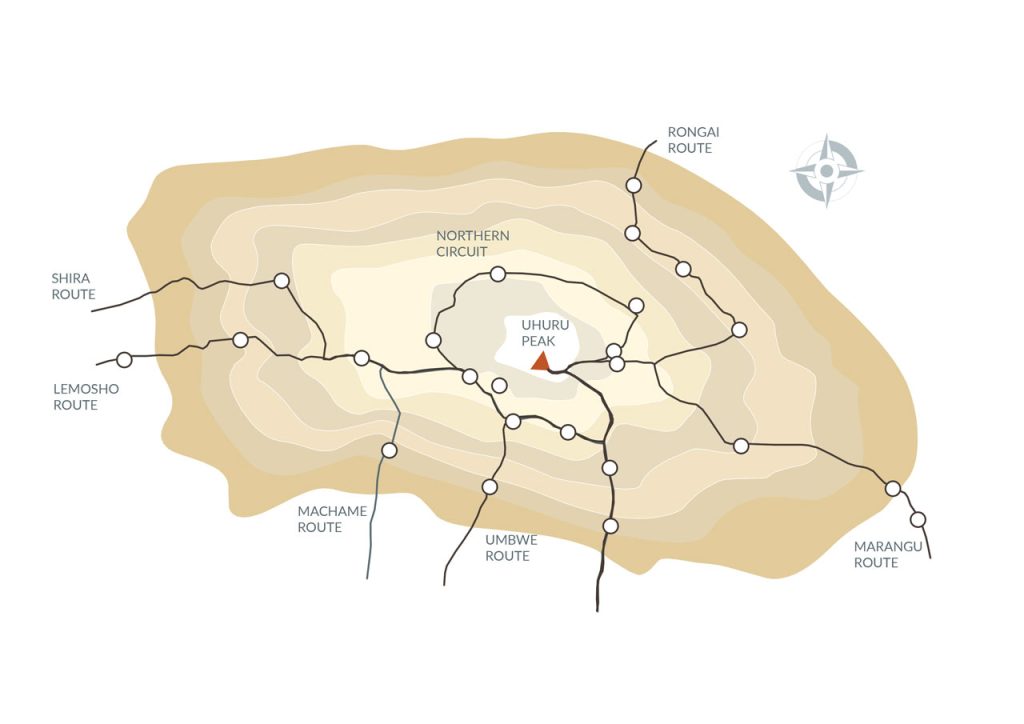
Umbwe Route Map
Landscapes and Scenery on the Umbwe Route
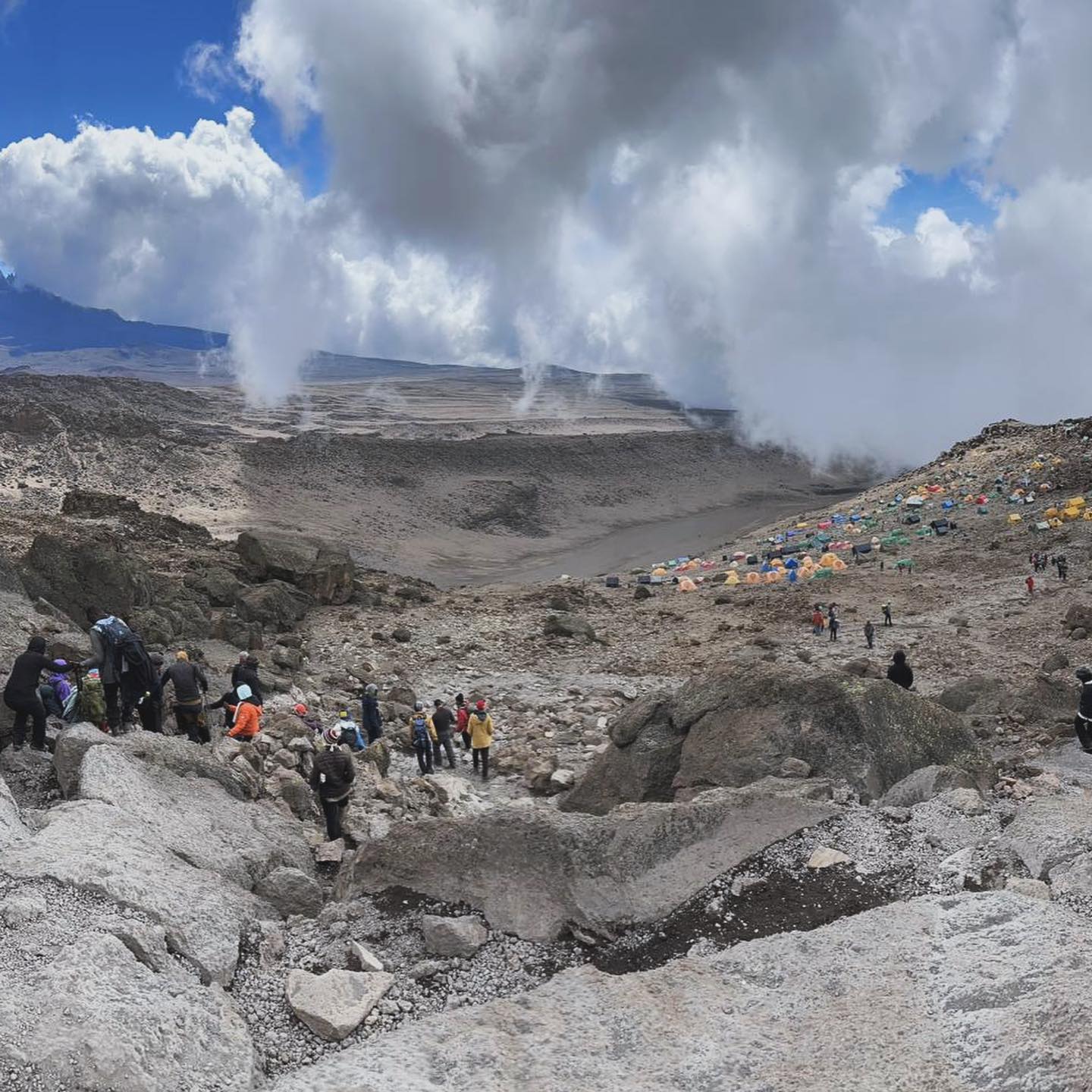
The Umbwe Route offers some of the most dramatic and unspoiled scenery on Mount Kilimanjaro, making it a favorite among experienced climbers seeking a true wilderness adventure. Although it is one of the shortest routes to the summit, it passes through an incredible variety of landscapes, with each day revealing a completely different environment.
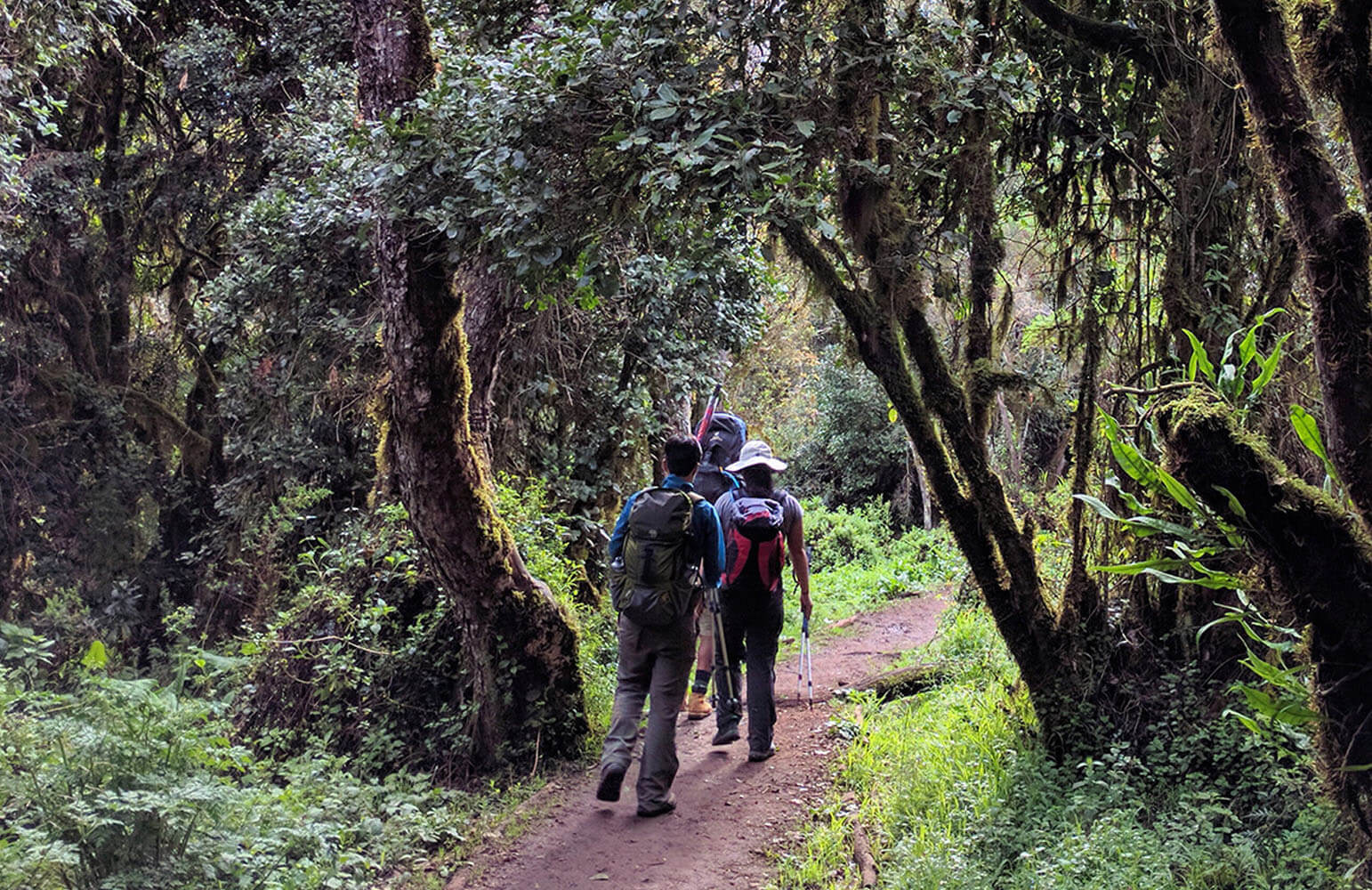
The journey begins in the dense montane rainforest, where towering trees, giant ferns, moss-covered trails, and colorful birdlife create a peaceful atmosphere. As the trail climbs steeply along the narrow Umbwe Ridge, the forest gradually opens to reveal breathtaking views of deep valleys and the surrounding mountains.
Higher on the mountain, the landscape changes to heath and moorland, with giant heathers, unique alpine plants, and expansive views across Kilimanjaro’s southern slopes. After joining the Machame Route near Barranco Camp, trekkers enjoy one of the mountain’s most spectacular highlights the towering Barranco Wall, followed by panoramic views of the Karanga Valley, glaciers, and the rugged alpine desert.
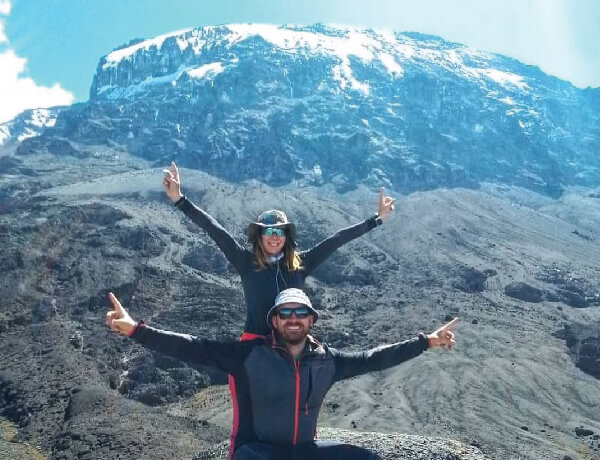
The final ascent from Barafu Camp leads through the stark beauty of Kilimanjaro’s high-altitude volcanic landscape before reaching Uhuru Peak (5,895 m). At sunrise, climbers are rewarded with unforgettable views of glaciers, volcanic craters, and clouds stretching across East Africa.
Although the Umbwe Route is best known for its challenge, it also delivers an exceptional scenic experience. From lush rainforest and dramatic ridgelines to alpine deserts and the icy summit, every stage of the climb showcases the remarkable diversity that makes Mount Kilimanjaro one of the world’s greatest trekking destinations.
How Difficult Is the Umbwe Route?
The Umbwe Route is widely regarded as the most challenging route on Mount Kilimanjaro due to its steep ascent, rapid altitude gain, and limited time for acclimatization. Unlike longer routes that allow climbers to adjust gradually to the altitude, the Umbwe Route climbs quickly from the rainforest to the alpine zone, making it more physically demanding and increasing the risk of altitude sickness.
Despite its difficulty, the Umbwe Route does not require technical climbing skills or mountaineering experience. The trail is well-defined, but hikers should be in excellent physical condition and ideally have previous high-altitude trekking experience. The route features steep forest paths, rocky ridges, the famous Barranco Wall, and the challenging summit push from Barafu Camp to Uhuru Peak (5,895 m).
For the best chance of reaching the summit, we strongly recommend the 7 Days Umbwe Route rather than the 6-day itinerary. The additional day provides valuable time for acclimatization, improving both comfort and summit success.
With proper training, the right equipment, and experienced local guides, the Umbwe Route offers an unforgettable challenge for adventurous climbers seeking one of Kilimanjaro’s most direct and least crowded routes.
Umbwe Route Summit Success Rate
The Umbwe Route has a moderate summit success rate on Mount Kilimanjaro due to its steep ascent and limited acclimatization time. As the mountain’s most direct route, climbers gain altitude quickly, making it more challenging than longer routes such as Lemosho or the Northern Circuit.
Success rates vary depending on the itinerary length:
6-day itinerary: approximately 50–60% summit success rate
7-day itinerary: approximately 65–75% summit success rate
The 7-day itinerary provides an additional acclimatization day, allowing climbers more time to adapt to the altitude and significantly improving their chances of reaching Uhuru Peak (5,895 m).
For this reason, Materuni Tours & Safaris recommends the 7 Days Umbwe Route for experienced trekkers seeking the best balance between challenge, safety, and summit success. With proper preparation, a slow “pole pole” pace, and the support of our experienced local guides, you can maximize your chances of standing on the Roof of Africa.
Pros and Cons of the Umbwe Route
Pros
- One of the quietest and least crowded routes on Mount Kilimanjaro
- Spectacular scenery, including rainforest, Umbwe Ridge, Barranco Valley, alpine desert, and glaciers near the summit
- A direct and adventurous ascent for experienced climbers
- Offers a true wilderness experience with peaceful trails
- Joins the scenic Southern Circuit, passing Barranco, Karanga, and Barafu Camps
- Ideal for experienced trekkers seeking a challenging climb
Cons
- One of the steepest and most difficult routes on
- Mount Kilimanjaro
Lower summit success rate due to limited acclimatization time - Higher risk of altitude sickness because of the rapid elevation gain
- Not recommended for first-time climbers or inexperienced hikers
- Camping only, with no mountain huts available
- Requires excellent physical fitness, endurance, and previous hiking
How to Prepare for the Umbwe Route
Proper preparation is essential for anyone planning to climb the Umbwe Route Kilimanjaro. As the steepest and one of the most demanding routes on the mountain, it requires excellent physical fitness, the right equipment, and careful planning to maximize your chances of reaching Uhuru Peak (5,895 m) safely.
Before your trek, follow a regular fitness program that includes hiking, stair climbing, running, cycling, or strength training. Training with a backpack on uneven terrain will help prepare your body for long trekking days and continuous elevation gain.
Choosing the 7 Days Umbwe Route instead of the 6-day itinerary is highly recommended, as the additional acclimatization day significantly improves your chances of a successful summit. Spending extra time at altitude allows your body to adjust more effectively and reduces the risk of altitude sickness.
Packing the correct gear is equally important. Bring waterproof hiking boots, layered clothing for changing temperatures, a warm sleeping bag, trekking poles, a waterproof jacket, gloves, a warm hat, sunglasses, sunscreen, and a quality daypack. Weather conditions on Kilimanjaro can change quickly, from warm rainforest trails to freezing temperatures near the summit.
Maintaining proper hydration and nutrition throughout the climb is also key. Drink plenty of water, eat balanced meals, and follow your guide’s advice by walking slowly and steadily using the “pole pole” (slowly, slowly) approach, which helps your body acclimatize more efficiently.
At Materuni Tours & Safaris, our experienced local mountain guides provide comprehensive pre-climb briefings, high-quality camping equipment, daily health monitoring, and expert support throughout your journey. With the right preparation and professional guidance, you’ll be ready to take on the challenge of the Umbwe Route and enjoy an unforgettable adventure to the Roof of Africa.
Starting Point and Route Experience
The Umbwe Route begins at Umbwe Gate on the southern side of Mount Kilimanjaro, where your adventure starts in one of the mountain’s most pristine and least-traveled forests. After completing the park registration, you’ll enter a dense rainforest filled with towering trees, hanging moss, and the sounds of tropical wildlife. The trail quickly leaves the crowds behind, creating a peaceful and immersive trekking experience from the very first day.
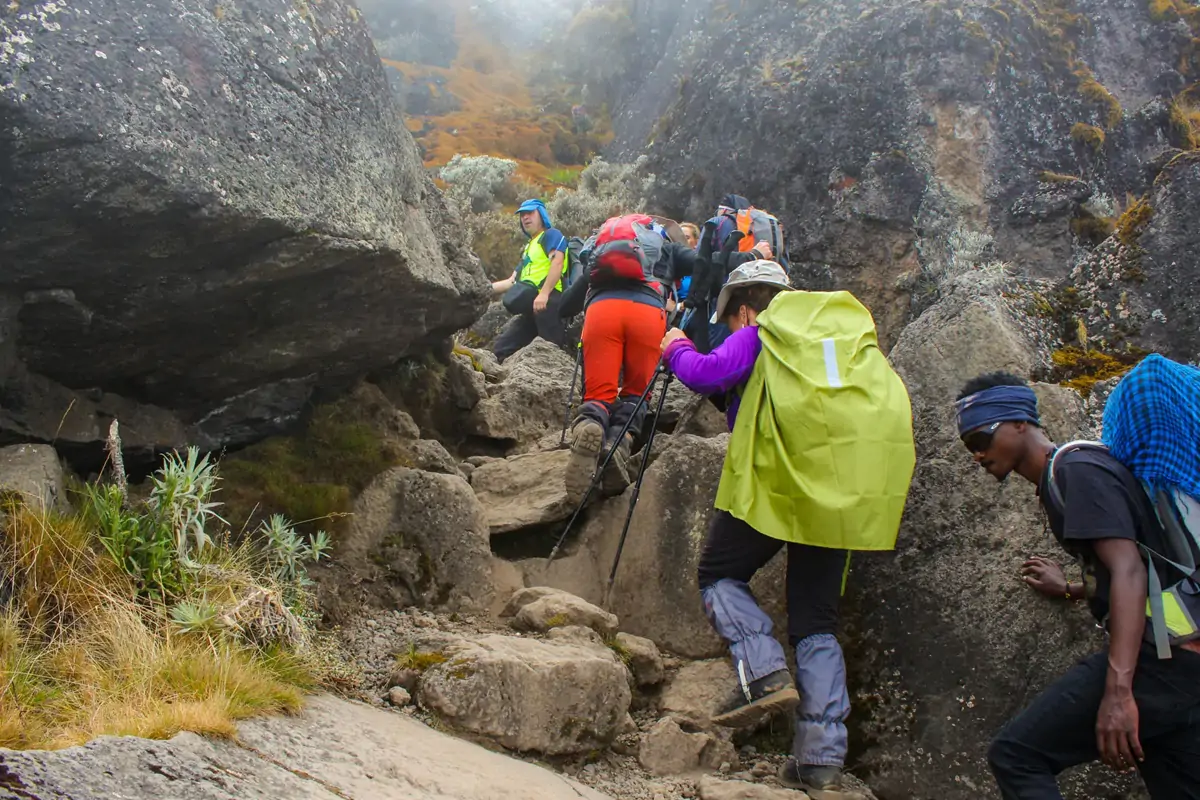
What makes the Umbwe Route unique is its steep and direct ascent. Unlike routes that gradually gain altitude, the Umbwe Route climbs rapidly along a narrow mountain ridge, offering a physically demanding but incredibly rewarding journey. The early stages are quiet and remote, making this route a favorite for experienced trekkers seeking solitude and a true wilderness adventure.
As you climb higher, the dense forest gives way to open moorland and dramatic mountain scenery. The route eventually joins the Southern Circuit near Barranco Camp, where you’ll continue through iconic sections such as the Barranco Wall, Karanga Camp, and Barafu Camp before making your summit attempt to Uhuru Peak (5,895 m). After celebrating your achievement at Africa’s highest point, you’ll descend via the scenic Mweka Route back to the rainforest.
The Umbwe Route is not the easiest way to climb Kilimanjaro, but for adventurous climbers seeking a challenging ascent, spectacular scenery, and fewer crowds, it offers one of the most authentic and unforgettable experiences on the mountain.
Umbwe Route vs Machame Route
Choose the Umbwe Route if you are an experienced hiker looking for a steep, adventurous climb with fewer crowds and don’t mind a more demanding ascent. It is one of Kilimanjaro’s most direct routes and rewards climbers with a true wilderness experience.
Choose the Machame Route if you want one of Kilimanjaro’s most scenic routes with better acclimatization, a higher summit success rate, and a route well suited to both first-time and experienced climbers. The 7 Days Machame Route remains one of the best overall choices for reaching Uhuru Peak successfully.
Umbwe Route vs Machame Route Comparison
| Feature | Umbwe Route | Machame Route |
|---|---|---|
|
Starting Point |
Umbwe Gate (Southern Side)
|
Machame Gate (Southern Side) |
|
Recommended Duration
|
7 Days (6 Days for experienced trekkers)
|
6–7 days |
|
Difficulty
|
Very Challenging
|
Moderate to Challenging |
|
Acclimatization
|
Limited
|
Excellent |
|
Scenery
|
Excellent – Dense rainforest, steep ridges, Barranco Valley, Alpine Desert
|
Outstanding – Rainforest, Shira Plateau, Lava Tower, Barranco Wall, Alpine Desert
|
|
Trail Traffic
|
Very quiet at the beginning, moderate after Barranco Camp
|
More popular and busier |
|
Accommodation
|
Camping
|
Camping |
|
Best For
|
Experienced trekkers seeking a challenging, less crowded climb
|
First-time and experienced climbers looking for a scenic route with excellent acclimatization |
|
Summit Success
|
Moderate (Higher on the 7-Day itinerary)
|
Umbwe Route vs Lemosho Route
The Umbwe Route and Lemosho Route offer completely different climbing experiences on Mount Kilimanjaro. If you’re an experienced hiker looking for a steep, direct, and less crowded ascent, the Umbwe Route provides an exciting challenge with remote trails and dramatic landscapes. However, its rapid altitude gain offers less time for acclimatization, making it one of Kilimanjaro’s most demanding routes.
The Lemosho Route, on the other hand, is widely regarded as one of the best routes on Kilimanjaro. Its longer itinerary allows excellent acclimatization, resulting in one of the highest summit success rates on the mountain. The route also offers exceptional scenery, including the Shira Plateau, Lava Tower, Barranco Wall, and panoramic views throughout the trek.
For first-time climbers, the Lemosho Route is the recommended choice due to its higher success rate and gradual ascent. For experienced adventurers seeking a tougher and quieter climb, the Umbwe Route delivers a rewarding challenge and an unforgettable mountain experience
Professional Guides on the Umbwe Route
At Materuni Tours, we combine professional mountain guiding with warm local hospitality.
Our experienced team has guided many climbers safely to the summit of Mount Kilimanjaro via the Lemosho Route. Every trek is led by certified English-speaking guides who understand the route, weather conditions, and the importance of proper acclimatization.
Safety, comfort, and personal service are at the heart of every climb we organize.
What you can expect on every Lemosho trek:
• Certified local guides with strong experience on Mount Kilimanjaro
• Daily health checks to monitor acclimatization
• Quality camping equipment and well-prepared meals
• Respectful treatment of porters and mountain crew
• Friendly support before and after the trek in Moshi
• Local knowledge and connection to the Materuni community
Climb the Umbwe Route with a Local Kilimanjaro Team in Moshi
Choosing the right tour operator is just as important as choosing the right route. At Materuni Tours & Safaris, we are a locally owned and operated company based in Moshi, at the foot of Mount Kilimanjaro. With over 15 years of experience, our professional mountain guides, dedicated porters, and skilled cooks are committed to providing a safe, ethical, and unforgettable climbing experience.
When you climb the Umbwe Route with our local team, you benefit from expert knowledge of the mountain, personalized service, and a strong focus on your safety and summit success. Our guides monitor your health daily, maintain a comfortable “pole pole” pace for better acclimatization, and provide encouragement throughout every stage of the climb.
We supply high-quality camping equipment, nutritious mountain meals, emergency oxygen, and well-planned logistics, allowing you to focus entirely on enjoying your Kilimanjaro adventure.
Whether you choose the 6 Days Umbwe Route or the recommended 7 Days Umbwe Route, you’ll experience the mountain with a passionate local team that knows every section of the trail. From your arrival in Moshi to your successful summit at Uhuru Peak, Materuni Tours & Safaris is dedicated to making your Kilimanjaro climb safe, memorable, and rewarding.
- Machame Route
- Marangu Route
- Rongai Route
- Northern Circuit
- Lemosho Route