
Marangu Route
Map, Cost, Itineraries And Climbing Guide
The Marangu Route is one of the most iconic and historic ways to climb Mount Kilimanjaro, earning the nickname “Coca-Cola Route” because it was the first established tourist route and remains one of the most accessible. As the only Kilimanjaro route with comfortable mountain hut accommodation, it is an excellent choice for trekkers who prefer sleeping in dormitory-style huts rather than camping in tents.
The journey begins at Marangu Gate (1,860m) on the southeastern slopes of Mount Kilimanjaro National Park and follows a well-maintained trail through several distinct ecological zones. Trekkers pass beneath towering rainforest trees filled with blue monkeys and colobus monkeys before ascending into the open heath and moorland. Higher on the mountain, the landscape transforms into an alpine desert with volcanic rock formations, eventually leading to the snow-covered summit of Uhuru Peak (5,895m), the highest point in Africa.
The Marangu Route is the shortest and most direct route to the summit, typically completed in 5 or 6 days. While the 5-day itinerary is popular, the 6-day Marangu Route is strongly recommended because it includes an extra acclimatization day at Horombo Hut, significantly improving summit success rates and allowing climbers more time to adjust to the altitude.
With its gradual trails, reliable hut accommodation, and scenic landscapes, the Marangu Route is ideal for first-time climbers, families with trekking experience, and anyone seeking a classic Kilimanjaro trekking adventure. Guided by experienced local professionals, this route offers an unforgettable journey through diverse ecosystems to the Roof of Africa.
Marangu Route Overview
| Feature | Details |
|---|---|
|
Route Length |
5 or 6 Days |
|
Difficulty |
Moderate |
|
Summit Success Rate |
Moderate (Higher on 6-Day Itinerary) |
|
Starting Point |
Marangu Gate (Southeastern Kilimanjaro) |
|
Accommodation |
Mountain Huts |
|
Highest Point |
Uhuru Peak – 5,895 m (19,341 ft) |
|
Best For |
First-Time Climbers, Budget Trekkers & Climbers Who Prefer Hut Accommodation |
|
Route Side |
Southeastern Side of Mount Kilimanjaro |
|
Descent Route |
|
|
Scenery |
Very Good – Rainforest, Moorland, Alpine Desert, Kibo Saddle & Glaciers |
|
Crowds |
High |
|
Summit Night |
Kibo Hut to Uhuru Peak |
|
Recommended Itinerary |
Is the Marangu Route the Best Route on Kilimanjaro?
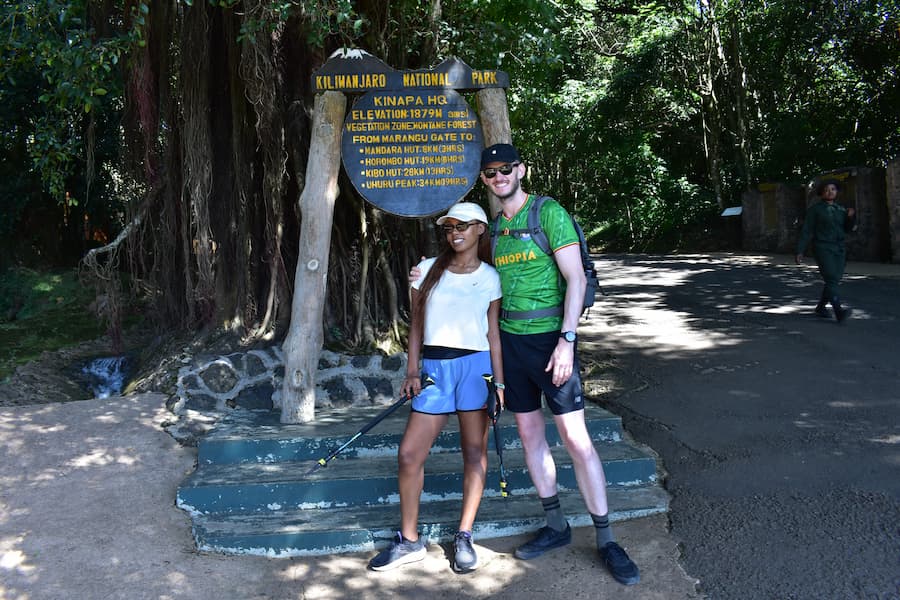
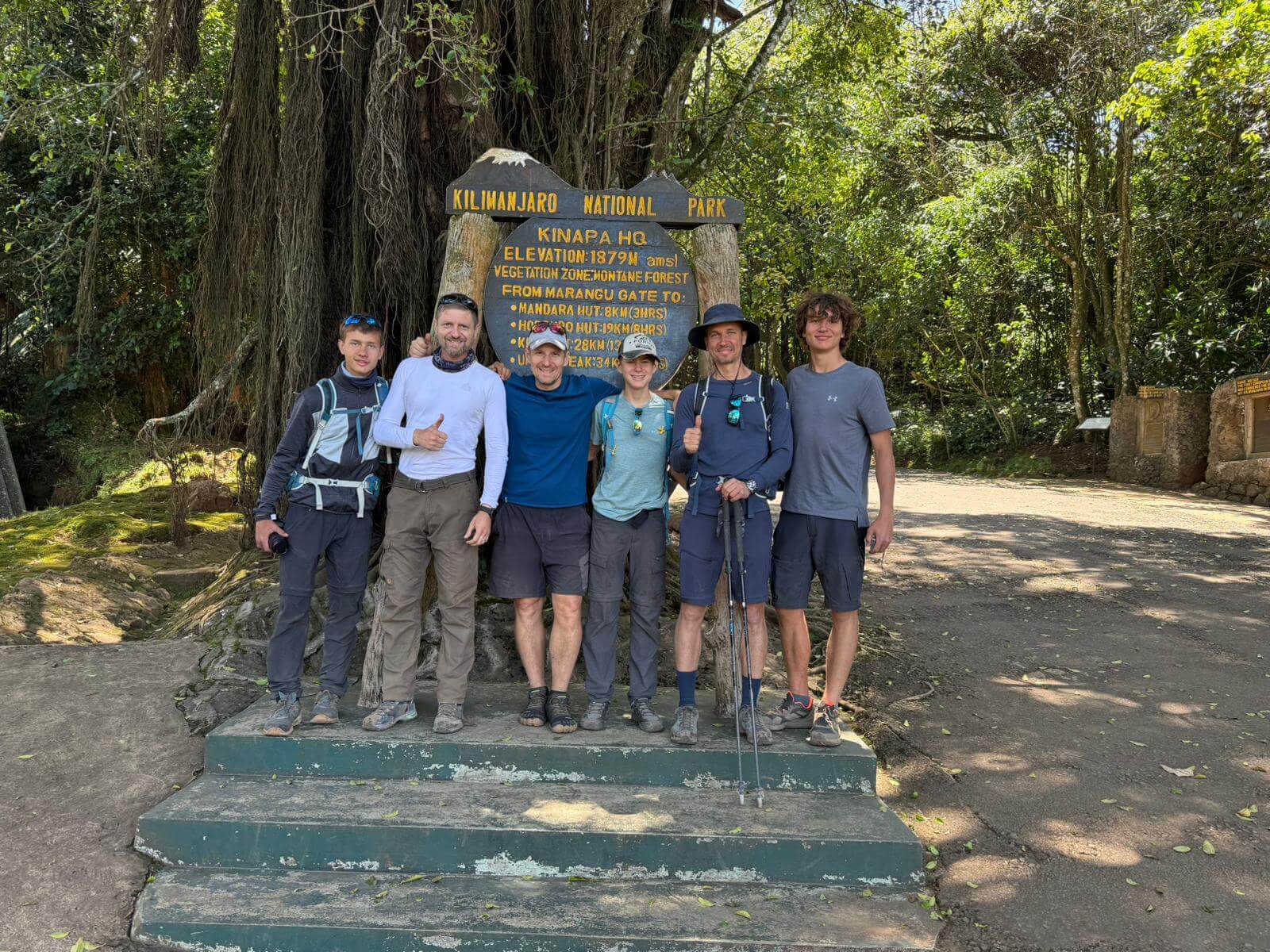
The Marangu Route is one of the most famous and historic routes to climb Mount Kilimanjaro. Often referred to as the “Coca-Cola Route,” it was the first established trekking route on the mountain and remains one of the most popular choices for climbers from around the world. Its biggest advantage is that it is the only Kilimanjaro route that provides mountain hut accommodation, allowing trekkers to sleep in permanent huts instead of tents throughout the climb.
The journey begins at Marangu Gate on the southeastern slopes of Mount Kilimanjaro and follows a well-maintained trail through lush rainforest, scenic moorland, alpine desert, and the vast Kibo Saddle before reaching Uhuru Peak (5,895 m), the highest point in Africa. Along the way, climbers stay at Mandara Hut, Horombo Hut, and Kibo Hut, making the trek more comfortable, especially during the rainy seasons.
One of the main reasons climbers choose the Marangu Route is its straightforward trail and comfortable accommodation. Unlike many other Kilimanjaro routes, there is no camping equipment to carry, making it an attractive option for trekkers who prefer a more traditional mountain hut experience. The trail is generally less steep than routes such as Umbwe or Machame, making it suitable for many first-time climbers with good physical fitness.
Although the 5-day Marangu Route is the shortest itinerary to the summit, it offers limited time for acclimatization and has a lower summit success rate. For this reason, the 6-day Marangu Route is highly recommended, as it includes an additional acclimatization day at Horombo Hut. This extra day greatly improves the body’s ability to adapt to the altitude, increases summit success rates, and makes the climb more enjoyable.
The Marangu Route is also known for its beautiful and varied scenery. Climbers pass through dense montane rainforest rich in wildlife, including blue monkeys and black-and-white colobus monkeys, before emerging into open heath and moorland with giant lobelias and groundsels. Higher on the mountain, the landscape changes to alpine desert before the final ascent across volcanic slopes to the glaciers and snowfields surrounding Uhuru Peak.
For trekkers seeking a comfortable Kilimanjaro climbing route with hut accommodation, reliable facilities, and a classic trekking experience, the Marangu Route remains an excellent choice. While it is busier than some of the other routes, the combination of comfortable huts, scenic landscapes, and historical significance continues to make it one of the most popular ways to climb Mount Kilimanjaro. Choosing the 6-day Marangu Route offers the best balance of comfort, acclimatization, and a higher chance of standing on the Roof of Africa.
How Much Does the Marangu Route Cost?
The cost of climbing the Marangu Route on Mount Kilimanjaro depends on several factors, including the itinerary length, group size, and the level of service included in your climb. In general, the 6 Days Marangu Route costs slightly more than the 5 Days Marangu Route because it includes an additional acclimatization day at Horombo Hut, which significantly improves your chances of reaching Uhuru Peak successfully.
For climbers looking for the best value, joining one of our scheduled Marangu Route group climbs is an excellent way to reduce the overall cost while enjoying the same experienced mountain guides, professional cooks, dedicated porters, quality camping support where required, safety equipment, and outstanding service provided on every expedition.
If you prefer a more personalized experience, our private Marangu Route climbs offer complete flexibility. You can choose your preferred departure date, trekking pace, and group size, making this option ideal for couples, families, friends, charity groups, and corporate teams seeking a private Kilimanjaro trekking experience.
At Materuni Tours, all Marangu Route packages include Kilimanjaro National Park fees, mountain hut accommodation, professional English-speaking guides, cooks and porters, nutritious meals on the mountain, transfers to and from the park gate, emergency oxygen, medical checks, and rescue support, ensuring a safe, comfortable, and successful climb to the Roof of Africa.
Kilimanjaro Marangu Route Price
| Price for 5 Days | Price for 6 Days |
|---|---|
|
1 Person: $1,965 |
1 Person: $2,160 |
|
2 people: $1,645 per person |
2 people: $1,835 per person |
|
3 people: $1,510 per person |
3 people: $1,720 per person |
|
4 people: $1,490 per person |
4 people: $1,660 per person |
|
5 people: $1,445 per person |
5 people: $1,610 per person |
|
6 people: $1,410 per person |
6 people: $1,600 per person |
|
7+ people: $1,360 per person |
7+ people: $1,590 per person |
Marangu Route Itineraries
5 DAYS MARANGU ROUTE
- Southeastern Kilimanjaro
6 DAYS MARANGU ROUTE
- Southeastern Kilimanjaro
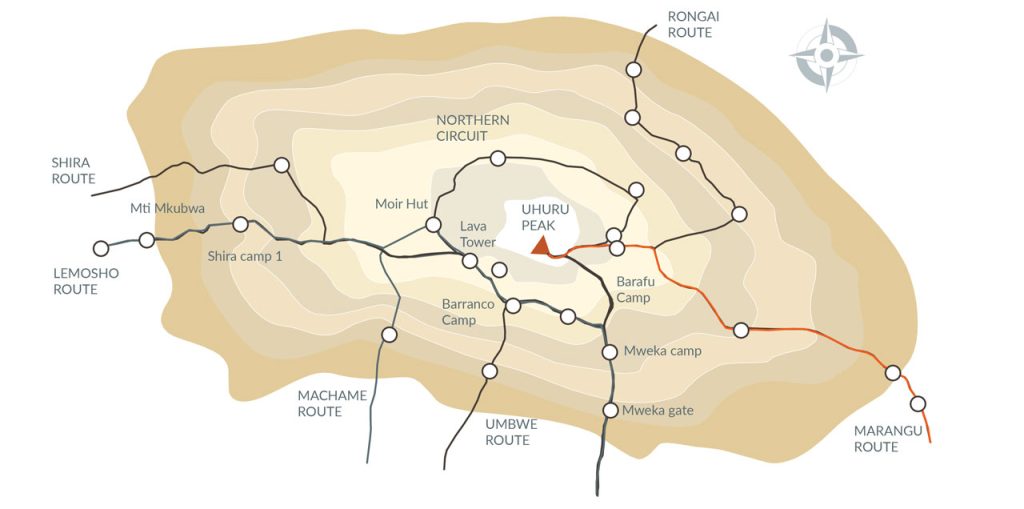
Marangu Route Map
Landscapes and Scenery on the Marangu Route
The Marangu Route offers a beautiful journey through the diverse ecological zones of Mount Kilimanjaro, making it one of the most rewarding trekking experiences in Tanzania. Although it follows the same trail up and down the mountain, climbers experience dramatic changes in scenery as they gain altitude.
The trek begins in the lush montane rainforest surrounding Marangu Gate, where towering trees, waterfalls, colorful birds, blue monkeys, and black-and-white colobus monkeys create a vibrant natural environment. As the trail climbs higher, the dense forest gradually gives way to open heath and moorland filled with giant lobelias, giant groundsels, and panoramic mountain views.
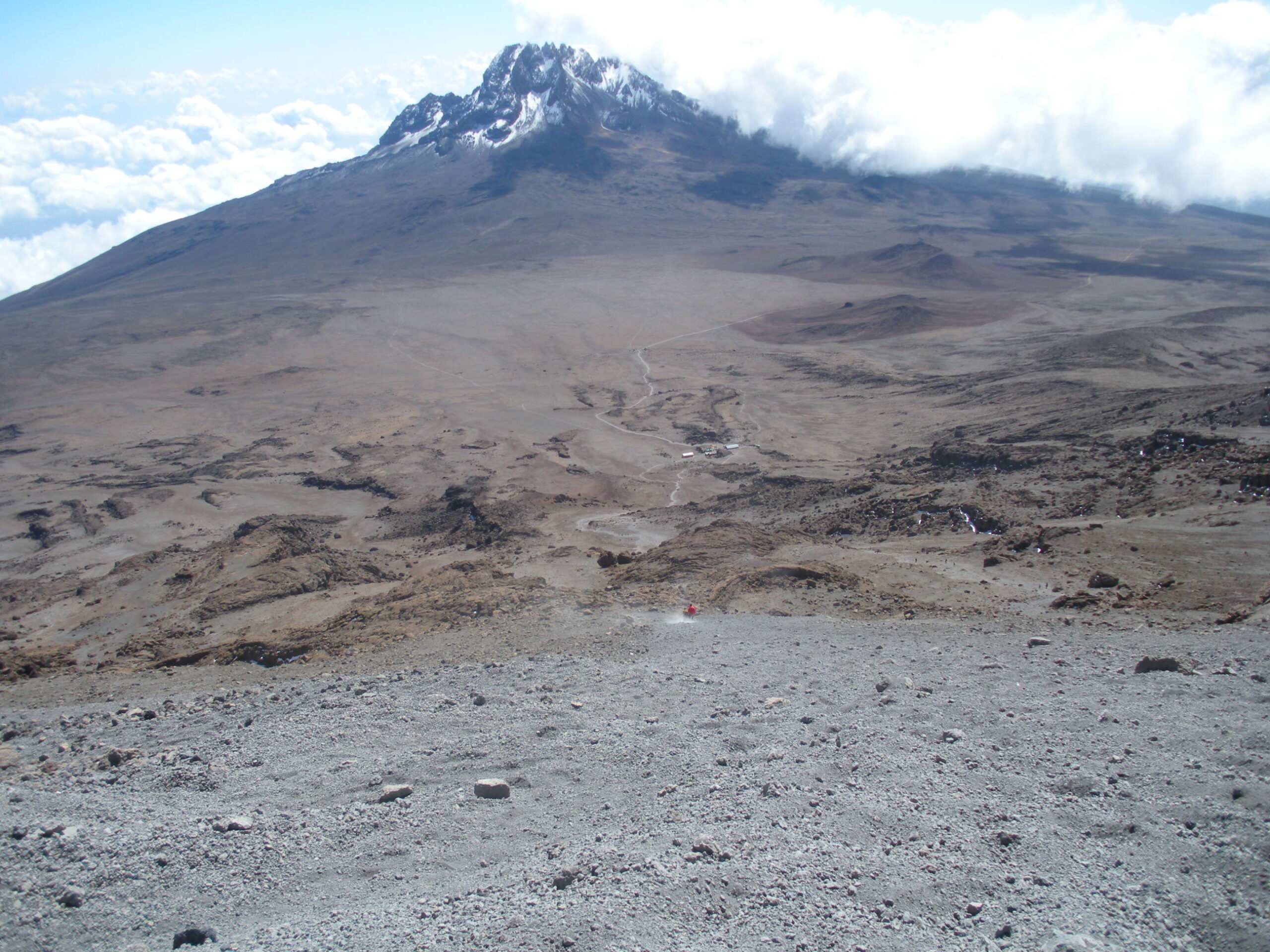
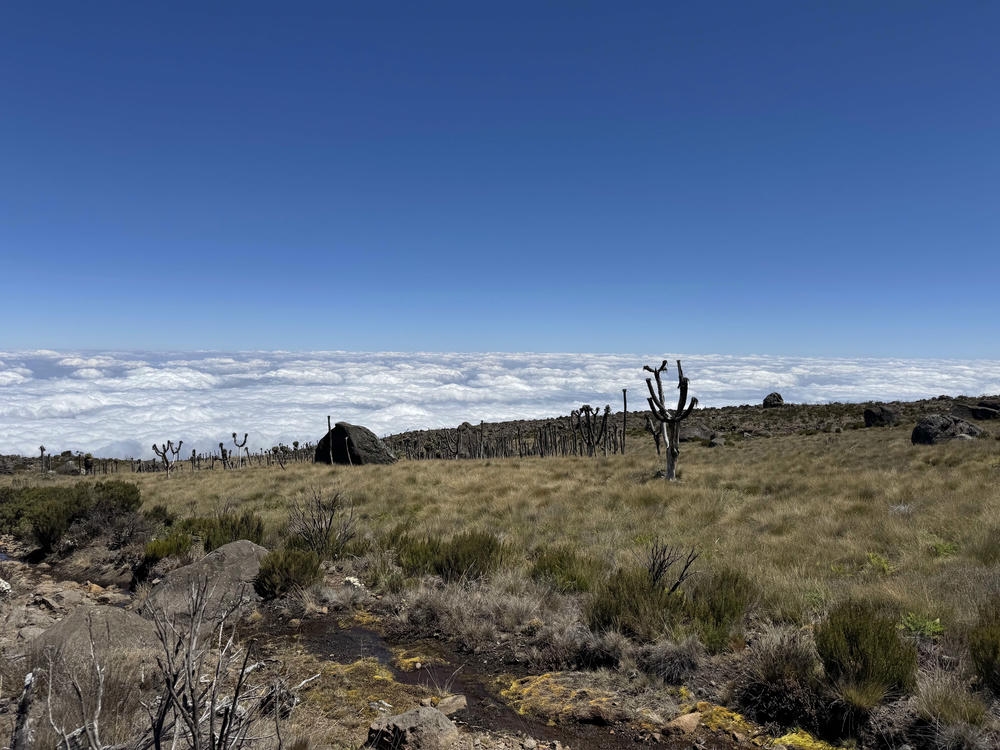
Above Horombo Hut, trekkers cross the expansive Kibo Saddle, a vast alpine desert stretching between the peaks of Kibo and Mawenzi. This barren volcanic landscape offers spectacular views of Kilimanjaro’s rugged terrain before the final ascent to Uhuru Peak (5,895 m), where glaciers and permanent ice fields provide an unforgettable finish to the climb.
The variety of landscapes, combined with comfortable mountain huts, makes the Marangu Route Kilimanjaro one of the most scenic and enjoyable routes to Africa’s highest mountain.
How Difficult Is the Marangu Route?
The Marangu Route is generally considered a moderate Kilimanjaro climbing route. It does not require technical climbing skills or previous mountaineering experience, but reaching the summit is physically demanding due to the high altitude.
The trail is well maintained with gradual gradients, making it one of the easier routes to walk. However, the shorter itinerary means climbers have less time to acclimatize compared to longer routes such as Lemosho or the Northern Circuit.
Trekkers should expect to hike between 4 and 7 hours on most days, while summit night involves a demanding 10 to 14-hour round trip from Kibo Hut to Uhuru Peak and back to Horombo Hut.
Good physical fitness, proper acclimatization, slow pacing, and drinking plenty of water are essential for a successful summit.
Marangu Route Summit Success Rate
The Marangu Route has a good summit success rate, particularly for climbers who choose the recommended 6-day itinerary.
Summit success rates generally vary depending on the itinerary:
5-Day Marangu Route: approximately 50–60% success rate
6-Day Marangu Route: approximately 70–80% success rate
The additional acclimatization day at Horombo Hut gives climbers more time to adapt to the altitude, greatly increasing their chances of safely reaching Uhuru Peak (5,895 m).
For this reason, experienced guides strongly recommend the 6 Days Marangu Route over the shorter itinerary..
Pros and Cons of the Marangu Route
Pros
- Only Kilimanjaro route with comfortable mountain hut accommodation
- Well-established and easy-to-follow trail
- Ideal for first-time climbers with good fitness
- Lower equipment requirements than camping routes
- Beautiful scenery through rainforest, moorland, alpine desert, and glaciers
- Suitable during both dry seasons
Cons
- Busier than most other Kilimanjaro routes
- Uses the same route for ascent and descent
- Shorter itineraries provide limited acclimatization
- Lower summit success rate than Lemosho or Northern Circuit
How to Prepare for the Marangu Route
Although the Marangu Route is one of the more accessible routes on Mount Kilimanjaro, reaching the summit still requires proper preparation.
To prepare for your climb, we recommend:
- Regular hiking to improve endurance
- Cardiovascular training such as running, cycling, or swimming
- Strength exercises for your legs and core
- Walking with a daypack on uneven terrain
- Practicing slow, steady hiking at altitude whenever possible
Weather conditions vary greatly during the climb, from warm tropical rainforest to freezing temperatures near Uhuru Peak, so appropriate clothing is essential.
Packing the correct equipment will make your climb safer and more comfortable. Before your adventure, be sure to read our Kilimanjaro Packing List, which explains exactly what to bring for a successful trek.
Starting Point and Route Experience
The Marangu Route begins at Marangu Gate (1,860 m) on the southeastern side of Mount Kilimanjaro National Park.
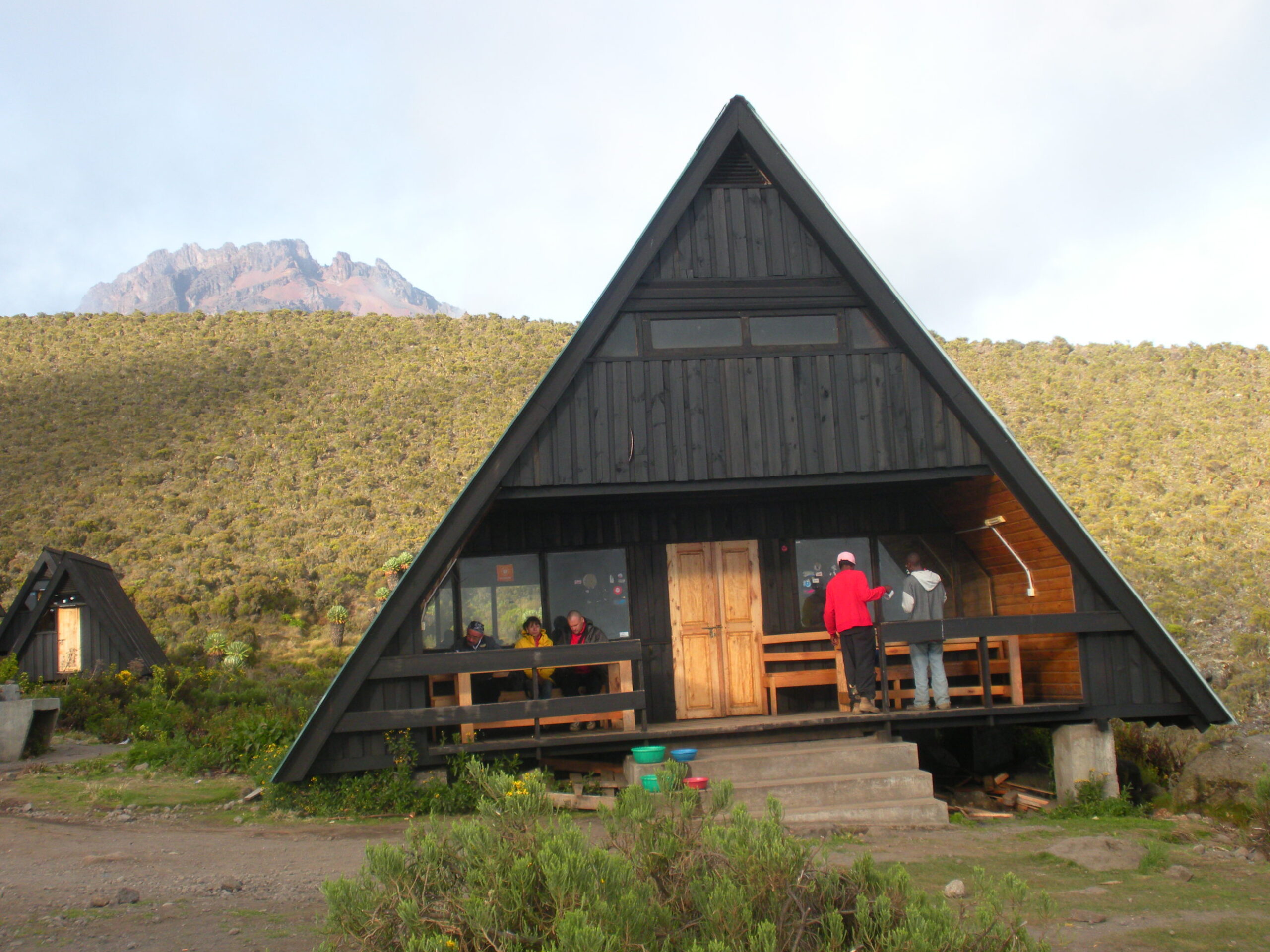
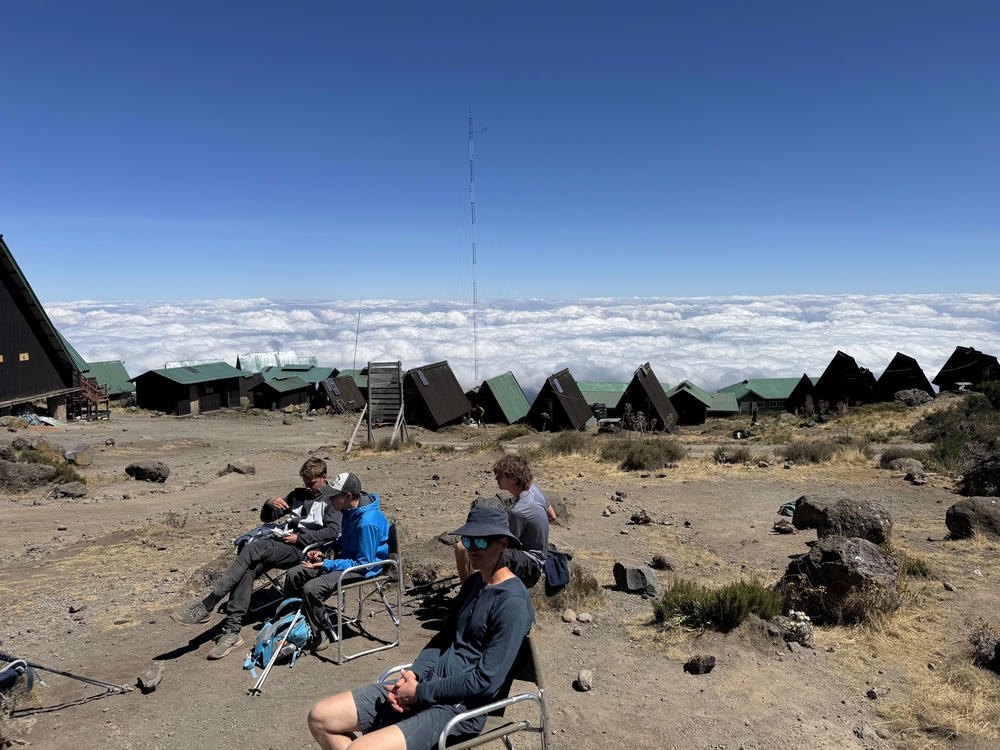
The first day’s trek passes through lush rainforest to Mandara Hut, where climbers spend their first night on the mountain. The second day continues through heath and moorland to Horombo Hut, offering spectacular views of Mawenzi Peak and the surrounding landscapes.
After an optional acclimatization day at Horombo Hut, trekkers cross the wide volcanic plain known as the Kibo Saddle before reaching Kibo Hut, the final camp before the summit attempt.
Summit day begins around midnight, climbing steadily to Gilman’s Point, continuing along the crater rim to Stella Point, and finally reaching Uhuru Peak, the highest point in Africa.
Unlike most Kilimanjaro routes, the Marangu Route descends using the same trail back through Horombo Hut and Mandara Hut to Marangu Gate.
Marangu Route vs Machame Route
The Marangu Route and Machame Route are two of the most popular routes to climb Mount Kilimanjaro, but they offer very different trekking experiences.
The Marangu Route begins on the southeastern side of the mountain and is the only route with mountain hut accommodation. It follows a direct path to the summit and returns via the same trail, making it ideal for climbers who prefer the comfort of huts instead of camping.
The Machame Route, often called the “Whiskey Route,” begins on the southern side of Kilimanjaro and follows a longer, more scenic circuit with camping throughout the climb. Its “walk high, sleep low” profile provides better acclimatization and generally higher summit success rates.
Climbers looking for greater comfort and a classic hut experience often choose the Marangu Route, while those seeking more diverse scenery and higher summit success usually prefer the Machame Route.
Marangu Route vs Machame Route Comparison
| Feature | Marangu Route | Machame Route |
|---|---|---|
|
Starting Point |
Marangu Gate (Western side) |
Machame Gate (Southern side) |
|
Recommended Duration
|
6 days
|
7 days |
|
Difficulty
|
Moderate |
Moderate to Challenging |
|
Acclimatization
|
Good
|
Excellent |
|
Scenery
|
Very Good
|
Outstanding |
|
Trail Traffic
|
High
|
Moderate to High |
|
Accommodation
|
Mountain Huts
|
Camping |
|
Best For
|
Climbers preferring huts
|
Adventure seekers & photographers |
|
Summit Success
|
Good
|
High |
Marangu Route vs Rongai Route
Both the Marangu Route and Rongai Route offer relatively gentle ascents compared to some of Kilimanjaro’s steeper trails.
The Marangu Route starts from the southeastern side and provides mountain hut accommodation, while the Rongai Route approaches from the quieter northern side near the Kenyan border and requires camping.
The Rongai Route receives less rainfall, making it an excellent option during the wet seasons, while the Marangu Route remains popular because of its comfortable huts and well-developed infrastructure.
Trekkers seeking quieter trails often choose Rongai, whereas climbers who prefer hut accommodation and a historic route usually select Marangu.
Professional Guides on the Marangu Route
At Materuni Tours, your safety and success are our highest priorities.
Every Marangu Route climb is led by experienced, licensed local mountain guides supported by professional cooks and hardworking porters who ensure every aspect of your trek runs smoothly.
Every climb includes:
- Certified English-speaking Kilimanjaro guides
- Daily health monitoring and altitude checks
- Emergency oxygen and first-aid equipment
- Comfortable mountain hut accommodation
- Freshly prepared nutritious meals
- Friendly local support before and after your climb
Our experienced mountain team has helped climbers from around the world successfully reach Uhuru Peak while providing exceptional service throughout the journey.
Climb the Marangu Route with a Local Kilimanjaro Team in Moshi
All Marangu Route Kilimanjaro climbs with Materuni Tours begin in Moshi, the gateway to Mount Kilimanjaro and home to our experienced local team.
Before your trek, you’ll meet your guides for a detailed climb briefing, equipment inspection, and final preparations. Our local knowledge, years of guiding experience, and commitment to safety ensure you are fully prepared for your adventure.
As a locally owned company based in Moshi, we provide authentic Tanzanian hospitality, personalized service, and professional support from your arrival until the end of your climb. Whether you choose the 5 Days Marangu Route or the recommended 6 Days Marangu Route, our dedicated team is committed to helping you safely reach the Roof of Africa.
You can also explore our Moshi day trips, cultural experiences, and safari packages to make the most of your time in Tanzania before or after your Kilimanjaro adventure.
- Kilimanjaro Routes
- Machame Route
- Lemosho Route
- Rongai Route
- Northern Circuit
- Umbwe Route
Kilimanjaro Climbing Guide
Book Now