Mweka Route Kilimanjaro
Mweka Route Kilimanjaro – Descent Route from Uhuru Peak
Introduction
The Mweka Route Kilimanjaro is the main descent route used by climbers after reaching the summit of Mount Kilimanjaro. It is commonly used by climbers descending from Barafu Camp after climbing via the Machame, Lemosho, Umbwe, Shira, or Northern Circuit routes.
This route offers a scenic and direct path down the southern slopes of the mountain, passing through alpine desert, moorland, and lush rainforest before reaching Mweka Gate, where climbers exit Kilimanjar
Overview
The Mweka Route is recognized as one of the shortest and most direct descent paths on Mount Kilimanjaro. Because it is steep and provides limited opportunities for acclimatization, the route is only used for descending and not recommended for ascent.
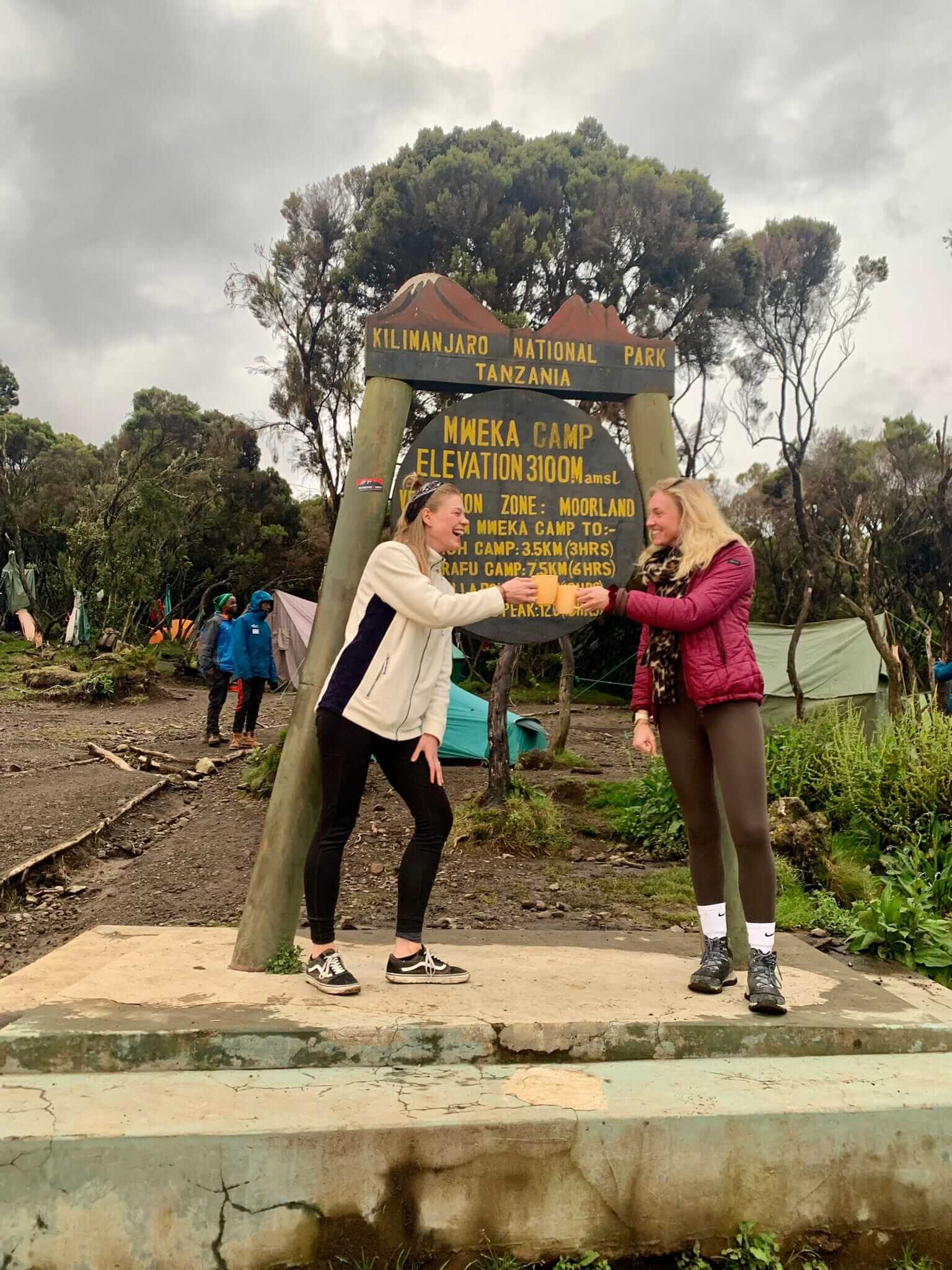
After summiting Uhuru Peak, climbers descend to Barafu Camp and continue down through the Millennium Camp before reaching Mweka Camp. The following day the trail continues through dense rainforest until reaching Mweka Gate.
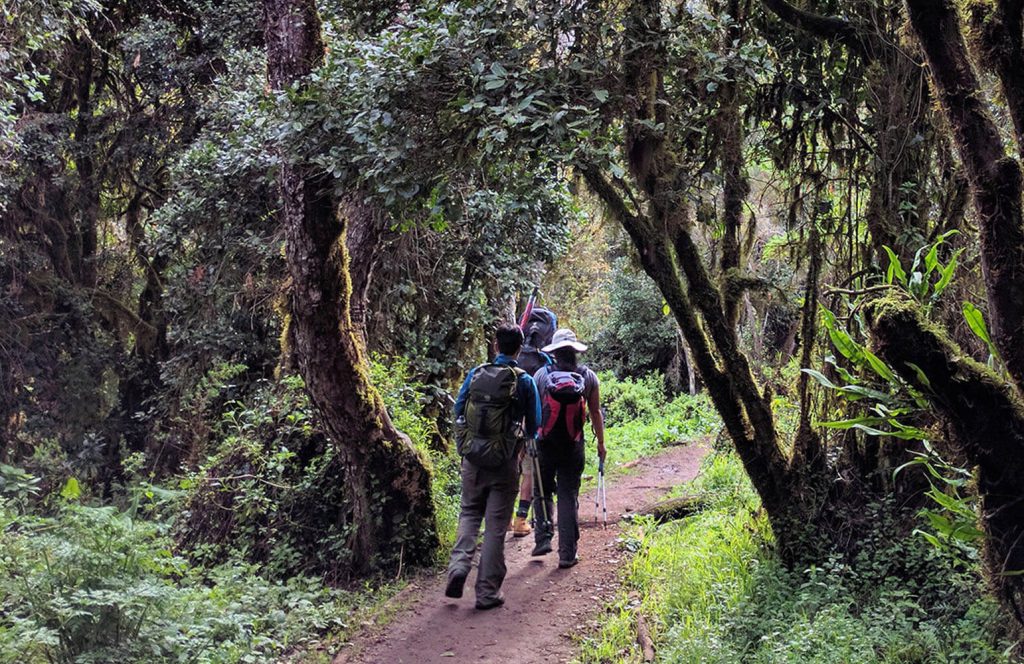
Along the descent, trekkers experience beautiful scenery including volcanic rock formations, lush vegetation, and wildlife such as colobus monkeys, blue monkeys, and various bird species.
The Mweka Route connects with several popular ascent routes including:
• Machame Route
• Lemosho Route
• Umbwe Route
• Shira Route
• Northern Circuit Route
Many of these routes join near Barranco Camp before continuing toward the summit and descending via Mweka.
Route Map
Why Use the Mweka Route?
The Mweka Route is widely used as the main descent route on Mount Kilimanjaro.
Reasons climbers descend via Mweka include:
• Fast and direct descent from the summit
• Scenic southern slopes of Mount Kilimanjaro
• Beautiful rainforest landscapes
• Common descent route for Machame, Lemosho, Umbwe, and Northern Circuit climbers
• Easier park exit through Mweka Gate
Landscapes and Scenery
The Mweka Route offers beautiful scenery as climbers descend from the alpine desert zone near Barafu Camp into lush rainforest.
Higher on the mountain, the terrain is rocky and volcanic with views of glaciers and the surrounding landscape. As the descent continues, vegetation becomes denser and the environment changes into tropical forest filled with wildlife and birdlife.
Difficulty
The Mweka Route is considered steep and physically demanding during descent, especially after the long summit night.
Because of its steep terrain and limited acclimatization opportunities, it is not suitable as an ascent route and is used only for descending.
Summit Success Rate
The Mweka Route itself does not determine summit success, as climbers reach the summit using other routes such as Machame, Lemosho, Umbwe, or Northern Circuit.
However, it provides a safe and efficient descent after a successful summit attempt.
Pros and Cons
Pros
• Fast and efficient descent route
• Beautiful rainforest scenery
• Common route for most southern climbs
• Wildlife sightings along the trail
Cons
• Steep descent sections
• Not suitable for ascending due to limited acclimatization
• Can be muddy and slippery during rainy seasons
Best Time to Trek the Mweka Route
The best time to descend via the Mweka Route is during the dry seasons:
• January to March
• June to October
During these months the trails are generally drier and views are clearer.
Starting Point and Route Experience
The Mweka Route descent begins near Barafu Camp after the summit attempt.
Climbers descend first to Millennium Camp, where they rest after summit night. The following day the trail continues down to Mweka Camp, passing through forest and moorland landscapes.
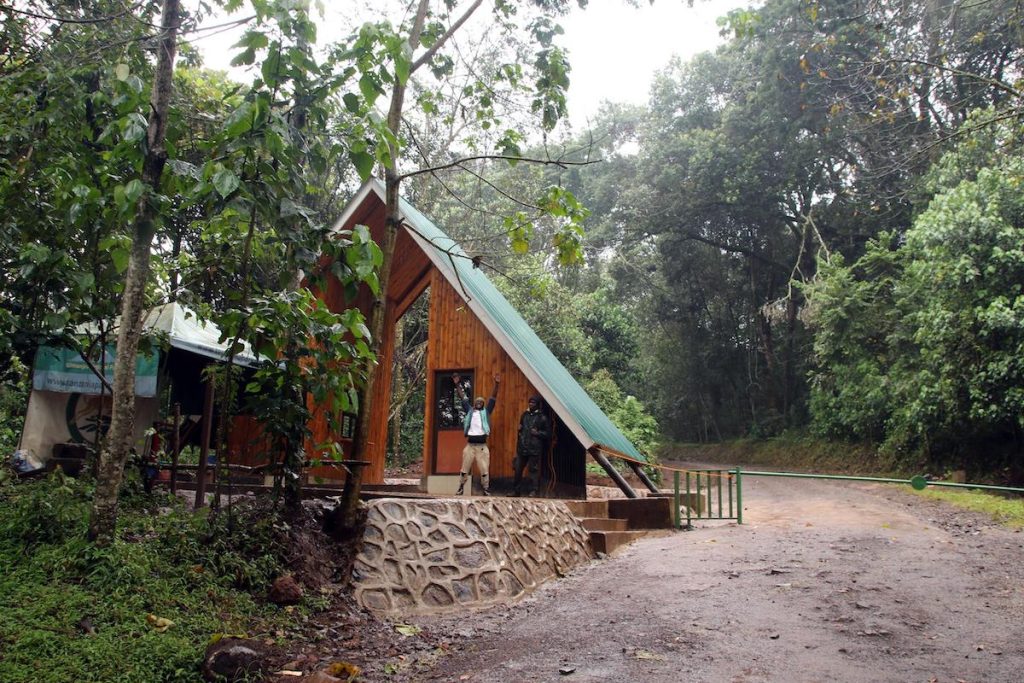
On the final day, climbers descend through dense rainforest to Mweka Gate, where the trek officially ends and climbers receive their summit certificates.
Routes That Use the Mweka Descent
Several Kilimanjaro ascent routes use the Mweka Route for descent, including:
• Machame Route
• Lemosho Route
• Umbwe Route
• Shira Route
• Northern Circuit Route
These routes typically converge near Barranco Camp before continuing toward the summit and descending via Mweka.
Professional Guides
All Kilimanjaro descents via the Mweka Route are led by experienced mountain guides who ensure climbers descend safely after their summit attempt.
Our mountain team provides full support including:
✔ Experienced guides and porters
✔ Safe pacing during descent
✔ Medical monitoring and support
✔ Organized transport from Mweka Gate
Plan Your Kilimanjaro Trek
Descending via the Mweka Route completes one of the most incredible adventures in Africa — reaching the summit of Mount Kilimanjaro.
Our experienced local team provides full support for Kilimanjaro climbs, including preparation in Moshi, professional guiding on the mountain, and safe descent after reaching Uhuru Peak.
Frequently Asked Questions
Is the Mweka Route used for climbing up Kilimanjaro?
Where does the Mweka Route start?
Where does the Mweka Route end?
Which routes descend via Mweka?