
Lemosho Route Kilimanjaro
Lemosho Route Kilimanjaro – Map, Overview & Best Itinerary Options
Introduction
The Lemosho Route is one of the most scenic ways to climb Mount Kilimanjaro. Approaching the mountain from the western side, it offers beautiful landscapes, excellent acclimatization, and a high summit success rate. The route is a popular choice for climbers looking for a quieter and more gradual trek to the summit.Lemosho route is protected within Kilimanjaro National Park, managed by the Tanzania National Parks Authority.
Lemosho Route Overview
The Lemosho Route Kilimanjaro is widely regarded as one of the most scenic and rewarding ways to climb Mount Kilimanjaro. The trek begins at Londorossi Gate on the western side of the mountain and gradually ascends through dense rainforest before crossing the spectacular Shira Plateau.
Thanks to its gradual ascent profile and diverse landscapes, the Lemosho Route offers excellent acclimatization and one of the highest summit success rates on the mountain.
Trekkers enjoy a quieter start compared to other routes, with the first days spent in remote wilderness before joining the Machame Route along the southern circuit. From there, climbers pass famous landmarks such as Lava Tower, Barranco Wall, and Barafu Camp before making the final ascent to Uhuru Peak.
For many climbers, the Lemosho Route offers the perfect balance of beautiful scenery, steady acclimatization, and a rewarding trekking experience.
Lemosho Route Kilimanjaro Map
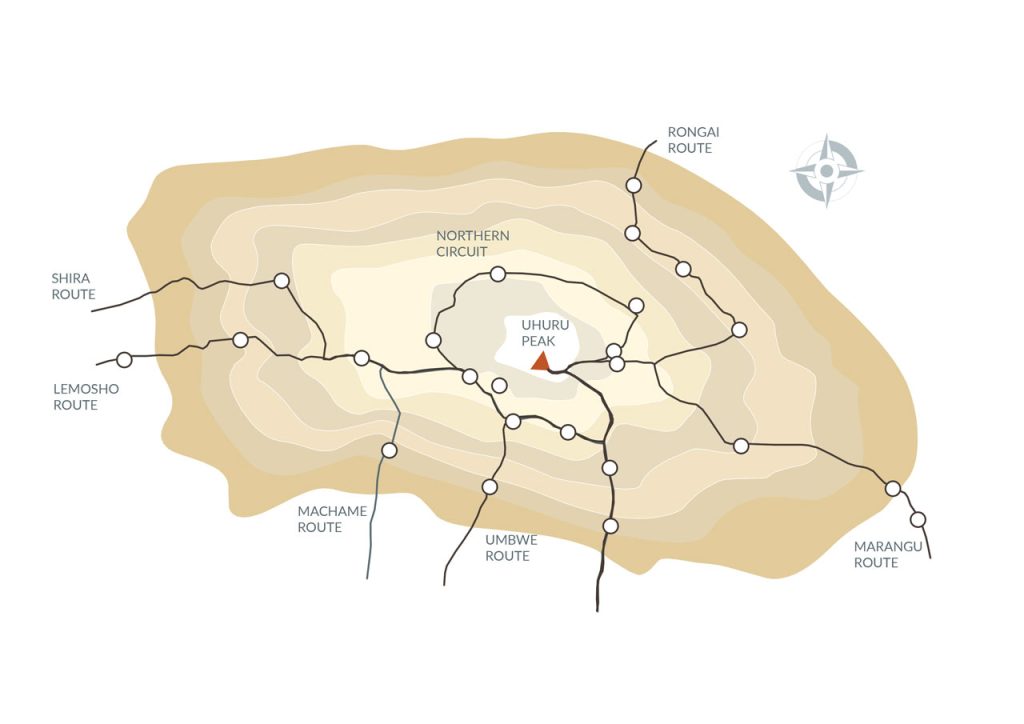
Why choose the Lemosho Route?
The Lemosho Route is one of the most recommended routes for climbers seeking both scenery and a high summit success rate.
Advantages include:
• Excellent acclimatization profile and high summit success rate
• One of the most scenic routes on Mount Kilimanjaro
• Quieter start compared to other popular routes
• Diverse landscapes from rainforest to alpine desert
• Opportunity to see wildlife in the rainforest section
• Gradual ascent suitable for most trekkers
• Joins the Machame Route for the final summit approach
Because of these advantages, the Lemosho Route is often considered one of the best choices for both first-time climbers and experienced trekkers.
Landscapes and Scenery on the Lemosho Route
The Lemosho Route is famous for its diverse and dramatic landscapes. Trekkers experience several ecological zones while climbing the mountain, making the journey both visually stunning and varied.
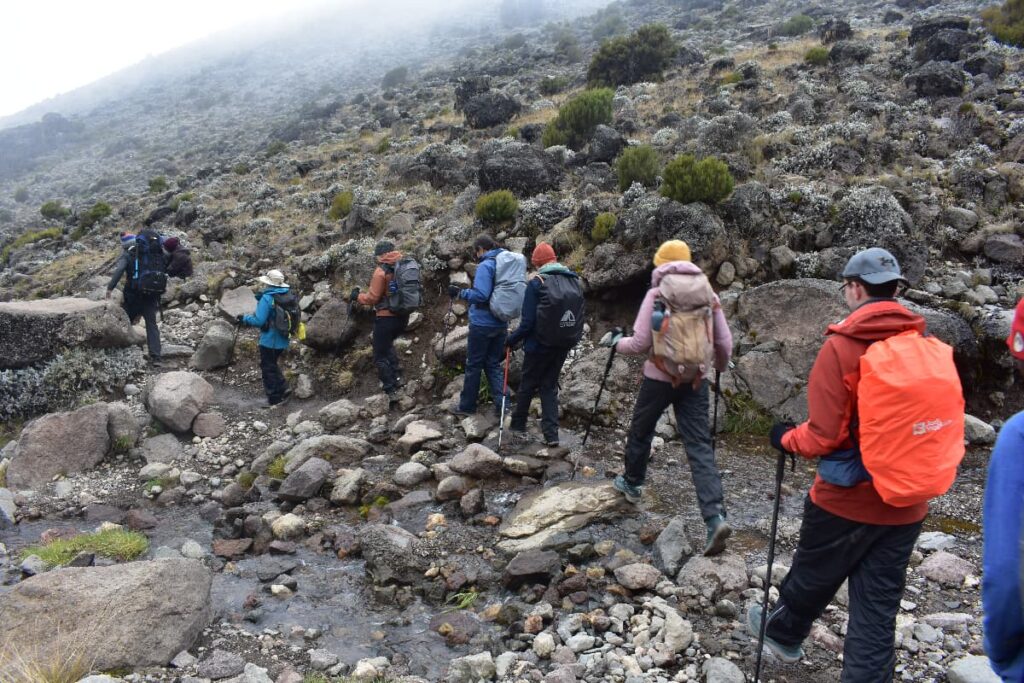
The trek begins in the lush rainforest of Mount Kilimanjaro, where climbers may encounter monkeys, colorful birds, and dense vegetation. As the route climbs higher, the landscape changes into heath and moorland with giant lobelias and unique alpine plants.
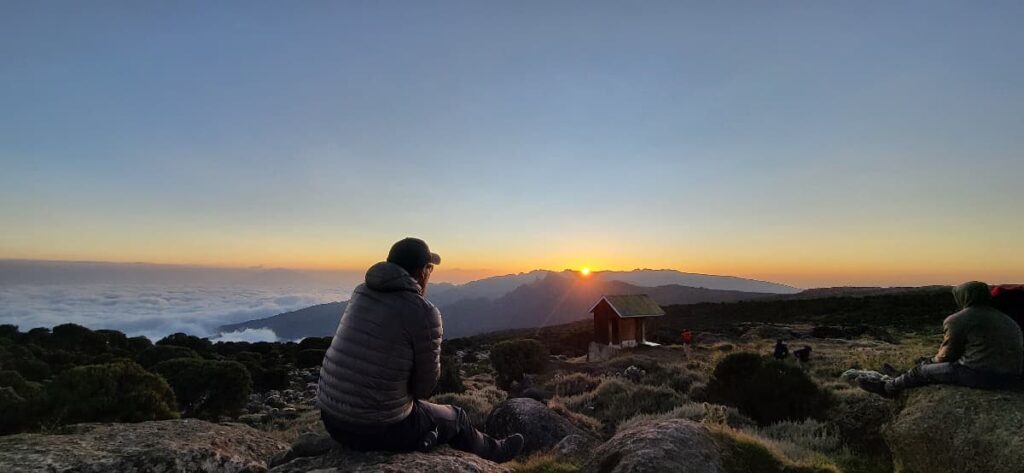
Crossing the wide Shira Plateau offers spectacular views of Kilimanjaro’s volcanic formations and distant Mount Meru. Higher on the mountain, trekkers enter the alpine desert zone before reaching the glacial summit area near Uhuru Peak.
This progression of environments makes the Lemosho Route one of the most scenic routes on Mount Kilimanjaro.
How Difficult Is the Lemosho Route?
The Lemosho Route is considered a moderate to challenging trek, mainly due to the high altitude rather than technical climbing difficulty. The route does not require mountaineering experience or specialized climbing skills.
Most trekkers with good physical preparation and determination can successfully complete the climb. The gradual ascent and additional acclimatization days make the Lemosho Route easier to adapt to altitude compared to some shorter routes.
Climbers should expect daily hiking distances of approximately 5 to 8 hours, with longer trekking on summit night. Proper preparation, slow pacing, and good hydration are essential for a successful climb.
Lemosho Route Summit Success Rate
The Lemosho Route has one of the highest summit success rates on Mount Kilimanjaro due to its gradual ascent and excellent acclimatization profile.
Success rates vary depending on the itinerary length:
6-day itinerary: approximately 60–70% success rate
7-day itinerary: approximately 75–85% success rate
8-day itinerary: approximately 85–90% success rate
The longer itineraries allow climbers more time to adjust to the altitude, greatly improving the chances of reaching Uhuru Peak (5895m).
For this reason, many guides recommend the 7-day or 8-day Lemosho Route for the best summit success.
Pros and Cons of the Lemosho Route
Pros
• One of the most scenic routes on Mount Kilimanjaro
• Excellent acclimatization profile
• High summit success rate
• Quieter start compared to other routes
• Diverse landscapes from rainforest to alpine desert
Cons
• Longer route means slightly higher cost
• Requires more trekking days than some routes
• Camps can become busy after joining the Machame Route
Despite these small drawbacks, the Lemosho Route remains one of the most recommended routes for climbers seeking both scenery and a strong chance of reaching the summit.
Best Time to Climb the Lemosho Route
The Lemosho Route can be climbed year-round, but the best months are during the dry seasons when weather conditions are more stable and visibility is clearer.
The two main climbing seasons are:
January to March
These months are generally colder but quieter on the mountain. Snow at higher elevations is more common, creating beautiful summit views.
June to October
This is the most popular climbing season with clearer skies and warmer conditions during the day.
The rainy seasons in April–May and November can still be climbed, but trails may be wetter and cloud cover more frequent.
Many climbers prefer the Lemosho Route during the dry seasons because the scenic views across the Shira Plateau and southern circuit are often clearer.
How to Prepare for the Lemosho Route
Climbing Mount Kilimanjaro via the Lemosho Route requires good physical preparation and proper planning. While the climb does not require technical climbing skills, the high altitude and long trekking days require endurance and determination.
Preparing for the trek should include:
• Regular hiking or walking to build stamina
• Cardiovascular exercise such as running, cycling, or swimming
• Strength training for legs and core muscles
• Practice hikes with a backpack
Trekkers should also prepare for changing weather conditions on the mountain, as temperatures can vary from warm rainforest conditions to freezing temperatures near the summit.
Proper equipment, good acclimatization, and experienced guides all play an important role in reaching the summit successfully.
Starting Point and Route Experience
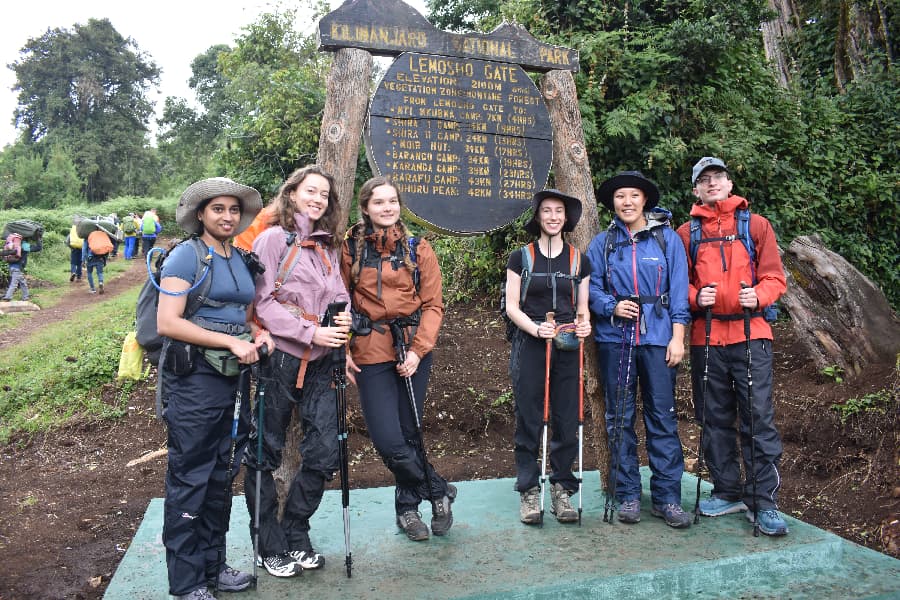
The Lemosho Route begins at Londorossi Gate, located on the western side of Mount Kilimanjaro.
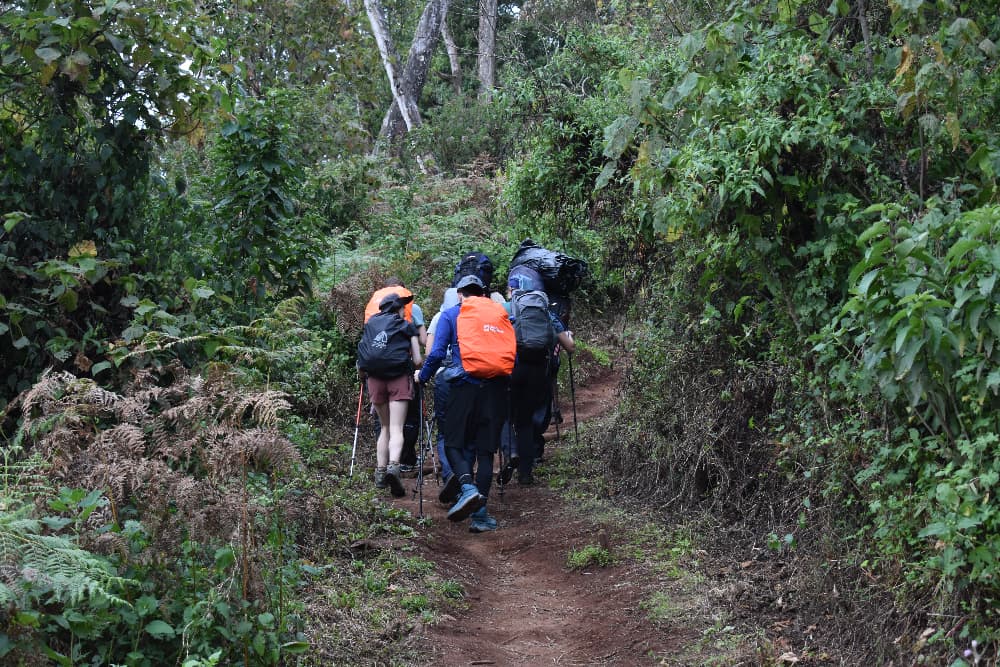
The first stage of the trek passes through dense rainforest where climbers may see monkeys, birds, and other wildlife.
As the trail climbs higher, the landscape changes into heath and moorland before reaching the wide Shira Plateau, one of the most spectacular areas on the mountain.
From here, trekkers enjoy breathtaking views of Shira Cathedral, Mount Meru in the distance, and the dramatic volcanic landscapes of Kilimanjaro.
The route then continues along the southern circuit, passing Lava Tower, Barranco Valley, and Barafu Camp before the summit attempt at Uhuru Peak, the highest point in Africa.
The descent from the Lemosho Route is usually made via the Mweka Route.
Lemosho Route vs Shira Route
The Lemosho Route shares part of its path with the older Shira Route after the first few days of trekking.
However, there is an important difference between the two routes.
The Shira Route begins at a much higher altitude, which means climbers start the trek already high on the mountain.
In contrast, the Lemosho Route begins at Londorossi Gate at a lower elevation, allowing climbers to acclimatize more gradually.
Starting at a lower altitude makes the Lemosho Route safer and more comfortable for most trekkers, reducing the risk of altitude sickness during the early stages of the climb.
After the initial days, both routes merge and continue across the Shira Plateau before joining the Machame Route on the southern circuit.
Choose Your Lemosho Route Itinerary
The Lemosho Route can be climbed in several different durations depending on your acclimatization needs and available time.
6 Days itinerary: Shorter itinerary for experienced trekkers with limited time.
7 Days itinerary: A balanced option combining good acclimatization with a reasonable schedule.
8 Days itinerary: The most recommended option, offering the best acclimatization and the highest summit success rate.
Professional Guides on the Lemosho Route
At Materuni Tours, we combine professional mountain guiding with warm local hospitality.
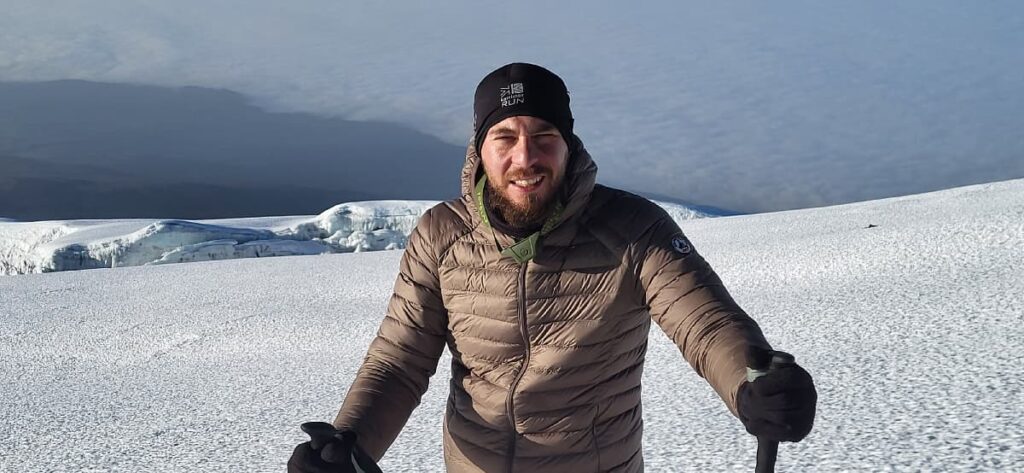
Our experienced team has guided many climbers safely to the summit of Mount Kilimanjaro via the Lemosho Route. Every trek is led by certified English-speaking guides who understand the route, weather conditions, and the importance of proper acclimatization.
Safety, comfort, and personal service are at the heart of every climb we organize.
What you can expect on every Lemosho trek:
• Certified local guides with strong experience on Mount Kilimanjaro
• Daily health checks to monitor acclimatization
• Quality camping equipment and well-prepared meals
• Respectful treatment of porters and mountain crew
• Friendly support before and after the trek in Moshi
• Local knowledge and connection to the Materuni community
Plan Your Lemosho Trek
Climbing Mount Kilimanjaro via the Lemosho Route is an unforgettable adventure.
With spectacular scenery, diverse landscapes, and excellent acclimatization, the Lemosho Route offers one of the most rewarding trekking experiences in Africa.
Whether you choose the 6-, 7-, or 8-day itinerary, our experienced team at Materuni Tours will help you prepare for a safe and successful climb.