
Umbwe Route Kilimanjaro

Umbwe Route Kilimanjaro-Map, Difficulty & Climbing Guide
Introduction
The Umbwe Route Kilimanjaro is one of the shortest and steepest routes used to climb Mount Kilimanjaro. Approaching the mountain from the southern side, this route is known for its direct ascent and challenging terrain. Because of its steep profile and limited acclimatization opportunities, the Umbwe Route is usually recommended for experienced trekkers who are comfortable with rapid altitude gain.
Although it is considered one of the more demanding routes on Kilimanjaro, the Umbwe Route offers a quiet and remote trekking experience during the early stages of the climb before joining the Machame Route near Barranco Camp.
Umbwe Route Overview
The Umbwe Route begins at Umbwe Gate on the southern side of Mount Kilimanjaro and is known as one of the most direct and steep paths to the summit. The trail quickly ascends through dense rainforest before reaching the moorland zone and the dramatic ridges leading toward Barranco Camp.
Unlike other routes, Umbwe is less crowded and more physically demanding, making it ideal for experienced trekkers who prefer a challenging and adventurous climb. The route joins the Machame path at Barranco and continues along the southern circuit toward Barafu Camp and the summit attempt at Uhuru Peak. Descent is completed via the Mweka Route.
Because of its steep gradient and fast elevation gain, the Umbwe Route Kilimanjaro requires good fitness and prior trekking experience. However, it offers spectacular scenery and a quieter trekking environment compared to the more popular routes.
Minimum recommended duration: 5 to 6 days for better acclimatization and improved summit success.
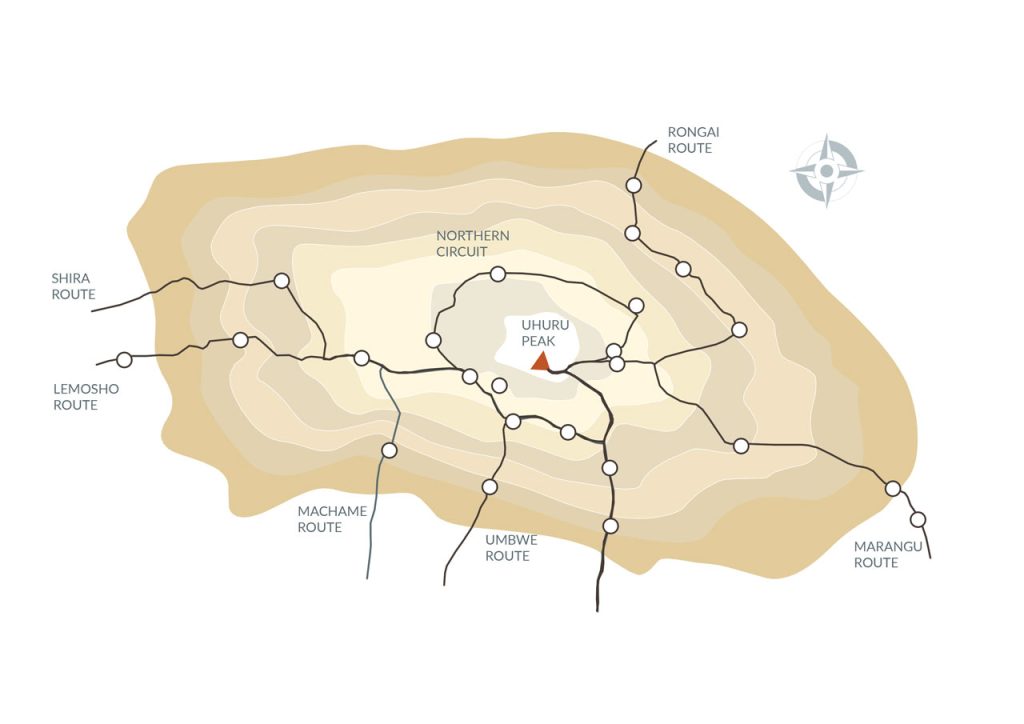
The Umbwe Route Kilimanjaro starts at Umbwe Gate and follows a direct ridge toward Barranco Camp. The map below shows the full trekking path, main overnight camps and the summit approach to Uhuru Peak before descending via the Mweka Route.The Umbwe Route Kilimanjaro is managed under the regulations of Kilimanjaro National Park.
Umbwe Route Map
Why choose the Umbwe Route Kilimanjaro?
✔ Steep and direct path to the summit
✔ Ideal for experienced trekkers
✔ Quiet trails with low traffic
✔ Dramatic ridges and scenic viewpoints
✔ Challenging and rewarding climb
✔ Strong adventure experience on Kilimanjaro
Landscape and Scenery
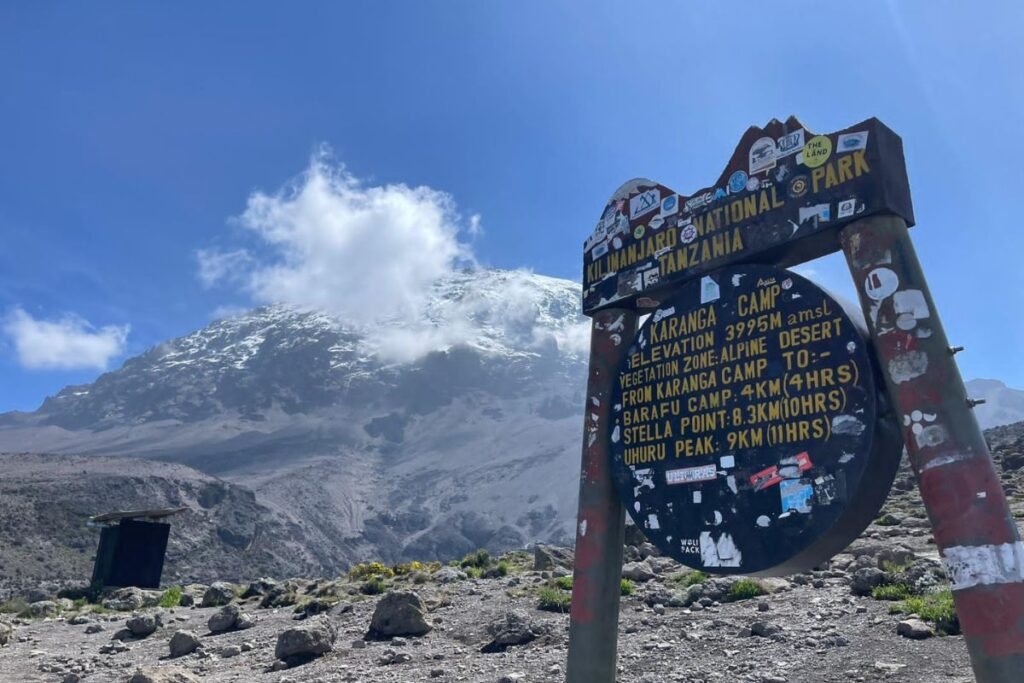
The Umbwe Route begins in dense rainforest filled with tall trees, moss-covered branches, and wildlife. As the trail climbs higher, the scenery changes into heath and moorland landscapes with expansive views across the southern slopes of Mount Kilimanjaro.
After reaching Barranco Camp, trekkers experience some of the most spectacular landscapes on the mountain, including the famous Barranco Wall, alpine desert terrain, and views toward the summit glaciers.
Difficulty
The Umbwe Route is considered one of the most challenging routes on Mount Kilimanjaro due to its steep and direct ascent. Climbers gain altitude quickly, which increases the difficulty and requires good physical fitness and proper acclimatization support.
Because of this steep profile, the Umbwe Route is usually recommended for experienced trekkers or climbers who are well prepared for high-altitude hiking.
Summit Success Rate
Summit success rates on the Umbwe Route depend greatly on the itinerary length and acclimatization strategy.
Typical success rates are:
• 6 Days Umbwe Route: around 60–65%
• 7 Days Umbwe Route: around 70–75%
Longer itineraries and proper acclimatization greatly improve the chances of reaching Uhuru Peak
Best Time to Climb the Umbwe Route
The Umbwe Route Kilimanjaro can be climbed throughout the year, but the best conditions are usually found during the dry seasons, when the trails are more stable and visibility is clearer.
The most recommended months include:
• January to March – Cooler temperatures and fewer climbers on the mountain.
• June to October – The most popular climbing season with generally dry weather and clear summit views.
During the rainy seasons (April–May and November), the lower rainforest section of the Umbwe Route can become muddy and slippery, making the steep trails more challenging. However, experienced trekkers may still choose these months if they prefer fewer crowds on the mountain.
Because the Umbwe Route climbs rapidly through several ecological zones, weather conditions can change quickly. Proper clothing and preparation for cold temperatures near the summit are essential.
How to Prepare for the Umbwe Route
Due to its steep and direct ascent, the Umbwe Route is best suited for climbers who are physically prepared for high-altitude trekking. While technical climbing skills are not required, good fitness and endurance will make the experience more enjoyable.
Preparation should include:
• Regular hiking or cardio training before the trip
• Building stamina for long trekking days
• Practicing hikes with a backpack
• Preparing for cold temperatures at high altitude
It is also important to pack appropriate gear for the climb, including warm clothing, waterproof layers, hiking boots, and a quality sleeping bag you can see the list of pack gear. Materuni tours and provide tents, cooking equipment, and other necessary camping gear during the expedition.Arriving in Moshi at least one day before the climb allows time for a full briefing with your guide and a final equipment check before heading to Umbwe Gate.
Why the Umbwe Route Is Considered the Most Direct Path
Among all Kilimanjaro routes, the Umbwe Route is the most direct path toward the summit. Unlike longer routes such as Lemosho or the Northern Circuit, which gradually circle the mountain to allow more time for acclimatization, Umbwe climbs more steeply from the southern slopes.
Because of this direct approach, climbers gain altitude quickly during the first days of the trek. While this makes the route more challenging, it also offers a sense of adventure and isolation rarely found on the more popular trails.Once the trail reaches Barranco Camp, climbers join the Machame Route and continue along the famous southern circuit toward the summit.
Wildlife and Nature on the Umbwe Route
The lower slopes of the Umbwe Route pass through the lush rainforest zone of Mount Kilimanjaro, which is home to a variety of wildlife and bird species.
Trekkers may encounter animals such as:
• Black and white colobus monkeys
• Blue monkeys
• Various bird species including hornbills and turacos
The rainforest environment also features giant trees, moss-covered branches, and unique plant life that thrive in Kilimanjaro’s humid climate.
As climbers gain altitude, the landscape changes dramatically into heath and moorland vegetation before reaching the alpine desert zone near Barranco Camp.
Pros and Cons
Pros
• Quiet and less crowded route
• Direct and adventurous climb
• Beautiful rainforest scenery
• Quick access to the southern circuit
Cons
• Very steep ascent
• Fewer acclimatization opportunities
• More physically demanding than other routes
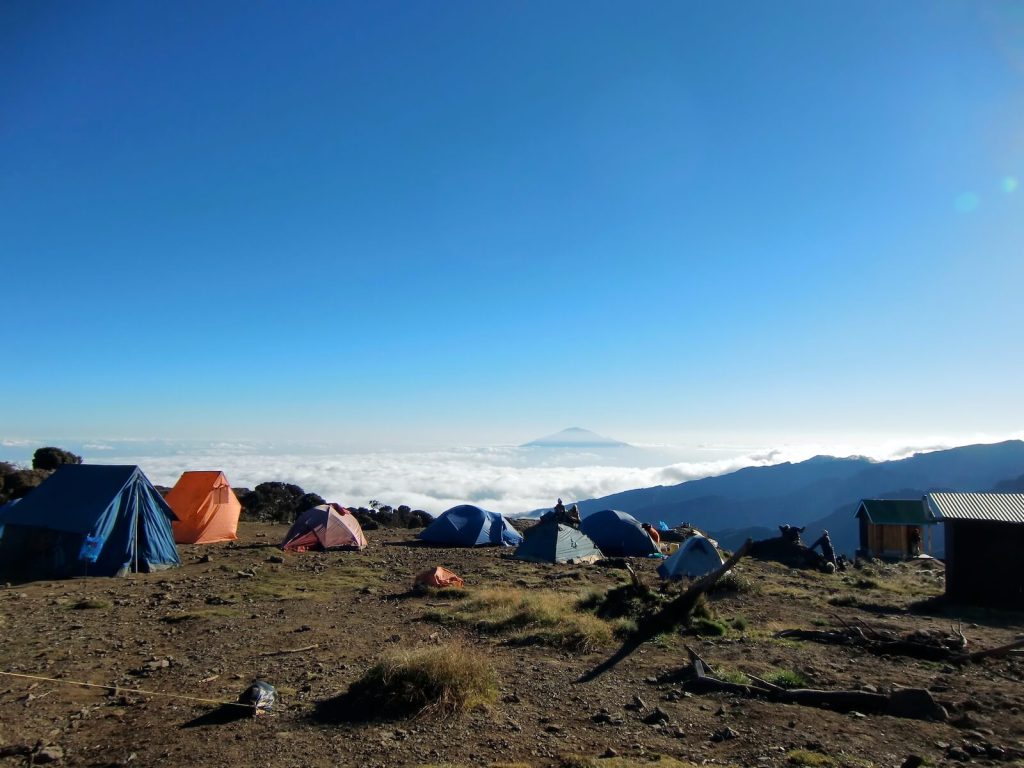
Starting point and route experience
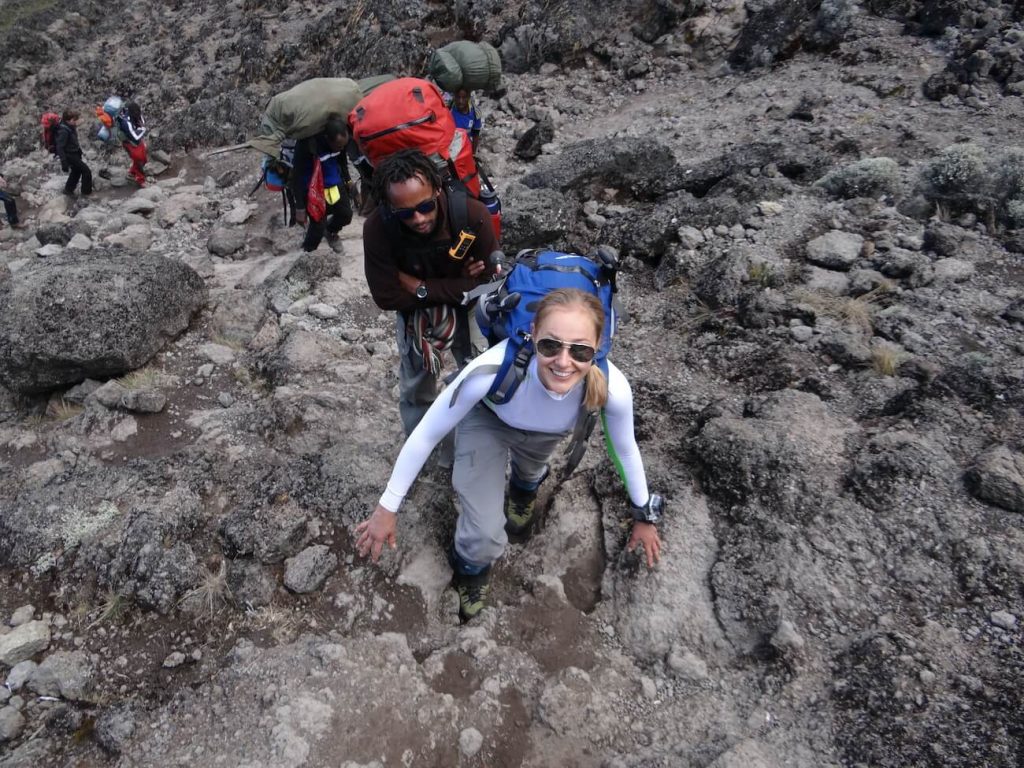
The Umbwe Route starts at Umbwe Gate on the southern side of Mount Kilimanjaro. The first section passes through thick rainforest before climbing sharply onto ridges with impressive views over the valleys below.As the trek progresses, the landscape changes into moorland and alpine desert before reaching Barranco Camp, where the route joins Machame and Lemosho. From here climbers continue toward Barafu Camp for the summit push.
Umbwe Route vs Other Kilimanjaro Routes
Compared to Lemosho Marangu and Machame, Umbwe is shorter and steeper, offering less time for acclimatization. This makes it more suitable for experienced trekkers who prefer a direct and physically demanding climb.
Compared to other Kilimanjaro routes:
• Umbwe vs Machame: Umbwe is steeper and more direct.
• Umbwe vs Lemosho: Lemosho offers better acclimatization and more scenic variety.
• Umbwe vs Marangu: Marangu is easier but less adventurous.
The Umbwe Route is ideal for climbers seeking a challenging and quieter path to the summit.
While summit success rates are generally higher on longer routes, Umbwe attracts climbers looking for a challenging ascent, fewer crowds and a more adventurous mountain experience.
Choose your Umbwe itinerary
• 5 Days Umbwe Route — the most direct and challenging option, suitable only for very experienced and well-prepared climbers
• 6 Days Umbwe Route — for strong and experienced trekkers with better acclimatization
Professional guides and friendly local experts on the Umbwe Route
All Umbwe climbs are led by experienced local mountain guides who understand the terrain, altitude challenges and safety procedures required on this demanding route.
Our team supports climbers from arrival in Moshi to summit and descent, ensuring proper acclimatization, health monitoring and safe pacing throughout the trek.
What you can expect on every Umbwe climb
✔ Professional mountain guides and support crew
✔ Daily health checks and altitude monitoring
✔ Quality camping equipment and mountain meals
✔ Safe acclimatization planning
✔ Personal support and small groups
Plan your Umbwe Trek
The best preparation for the Umbwe Route includes good physical fitness, prior trekking experience and proper gear for high-altitude conditions.
We recommend spending at least one night in Moshi before the climb for equipment checks and a full briefing with your guide team.